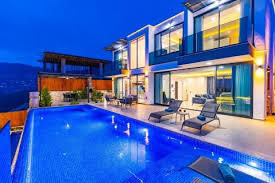
Category: Uncategorized

  • Zero Fees for 6 Months: List Your Property on LittleLet Today and Keep 100% of Bookings

    Zero Fees for 6 Months: List Your Property on LittleLet Today and Keep 100% of Bookings

    TLDR: LittleLet is giving Harare property owners, lodge operators, apartment landlords, and hotel managers the chance to list their property for free for six full months and keep 100% of every booking they receive during that period. No commission. No platform fees. No percentage taken from your revenue. This is the most straightforward property listing offer in the Zimbabwe accommodation market in 2026, and this blog explains exactly who it is for, how it works, and why now is the right time to list.


    Property owners in Harare have been watching the short stay accommodation market grow steadily for the past two years, and many have been on the fence about whether to list their property on a platform or continue managing enquiries informally through word of mouth and social media. The zero-fee launch offer from LittleLet removes the financial reason to wait. For six months, every booking you receive through LittleLet stays entirely with you. The platform takes nothing. You keep 100% of what your guests pay. For property owners who want to test the market without committing to ongoing platform fees, this offer is the lowest-risk entry point the Zimbabwe accommodation market has seen. Owners of short stay accommodation in Harare who list now during the zero-fee window are building occupancy history, collecting guest reviews, and establishing their property’s presence on the platform before the promotional period ends.


    Who This Offer Is For

    The LittleLet zero-fee offer is open to every category of accommodation provider in Harare and across Zimbabwe.

    Apartment owners who have a furnished property sitting under-occupied on a long-term lease or being managed informally can list and start receiving short stay bookings immediately.

    Lodge operators who rely on word of mouth, Facebook enquiries, or direct WhatsApp bookings to fill their rooms now have a dedicated platform that presents their property professionally to guests who are actively searching for accommodation.

    Hotel operators who want additional booking channel exposure beyond their existing direct and OTA bookings can list on LittleLet without paying the commission rates that international booking platforms charge.

    Homeowners with a guest cottage, a spare room configured as accommodation, or a separate dwelling on their property that they rent informally can bring that income stream onto a proper booking platform with zero cost during the six-month promotional period.

    If you have accommodation in Zimbabwe that guests pay to stay in, this offer is for you.


    What Zero Fees Actually Means for Your Property Income

    Most accommodation platforms take between 10% and 25% of every booking as their platform commission. On a $80 per night booking over a seven-night stay, that commission ranges from $56 to $140 taken before the money reaches you.

    Over six months of active bookings at modest occupancy, the difference between paying standard platform fees and paying zero is significant.

    Example income comparison over 6 months at 60% occupancy:

    Property TypeAvg Nightly RateMonthly Revenue at 60%Fees at 15%Fees at 0% (LittleLet Offer)6-Month Saving
    Studio apartment$40$720$108$0$648
    2-bedroom apartment$80$1,440$216$0$1,296
    Lodge room$60$1,080$162$0$972
    Hotel room$90$1,620$243$0$1,458

    The zero-fee period is not just a promotional incentive. For property owners just starting on the platform, it is a six-month window to build occupancy, collect reviews, understand what your property earns in the short stay market, and refine your pricing, all while keeping every dollar your guests pay you.


    How to List Your Property on LittleLet

    Getting your property live on LittleLet takes less than an hour from start to first booking-ready listing. Here is the exact process.

    Step 1: Photograph your property properly

    Good photographs are the single highest-impact investment you can make in your listing performance. Natural light, a clean and well-presented space, and photos that show every room including bathrooms and kitchen make a measurable difference in booking conversion rates. You do not need a professional photographer. A modern smartphone in good light produces perfectly acceptable listing photos.

    Step 2: Gather your property details

    Before starting your listing, have the following ready: property address and exact location, number of bedrooms and bathrooms, a complete list of amenities, your house rules, check-in and check-out times, and any access instructions guests will need on arrival.

    Step 3: Set your pricing

    Research what comparable properties in your area and category are charging on LittleLet. Price competitively for your first month to generate early bookings and reviews. A property with five positive reviews converts significantly better than one with no reviews at the same or lower price. Early bookings at a slightly lower rate build the social proof that drives full-price bookings later.

    Step 4: Write your listing description honestly

    Guests who arrive to find the property matches its description become positive reviewers. Guests who arrive to find the description was misleading become complaints. Write your listing description to accurately represent the property’s genuine strengths. Highlight what makes your specific property good for the type of guest you want: business travelers value reliable WiFi and a workspace, families value space and kitchen access, short stay guests value easy check-in and clean presentation.

    Step 5: Submit your listing and go live

    LittleLet’s listing submission process is straightforward and the team reviews new listings promptly. Once approved, your property is live and bookable.


    What Types of Properties Perform Best on LittleLet

    LittleLet serves the full range of accommodation needs in Harare, from a single hotel room to a complete apartment building. Different property types perform well for different guest segments, and understanding which guests your property naturally attracts helps you present and price it correctly.

    Apartments perform consistently well for business travelers, visiting professionals, consultants, and regional visitors who need a practical, self-contained base for stays of one to four weeks. A well-equipped apartment with reliable WiFi, a kitchen, and good access to the CBD or major business areas commands strong nightly rates and sees consistent midweek occupancy from the business travel segment.

    Lodges attract a mix of leisure visitors, family groups, and guests who want a more private and relaxed atmosphere than a hotel or apartment building provides. Hourly lodges in Harare listed on LittleLet reach guests who are specifically searching for this style of accommodation, which is a guest segment that responds to private settings, outdoor space, and a home-like hosting experience.

    Hotels benefit from LittleLet’s Zimbabwe-specific audience of guests who are looking for quality accommodation from a platform they trust. International booking platforms charge high commission rates and present Harare hotels alongside global inventory in ways that dilute local context. LittleLet presents Harare hotels to guests who have specifically chosen to search for accommodation in Zimbabwe.

    Short stay furnished apartments are among the fastest-growing categories on LittleLet because they meet the specific needs of the growing segment of business and professional visitors who need more than a hotel room but less than a long-term lease. These guests are well-funded, treat properties respectfully, and book in advance, making them the most commercially attractive guest segment for most Harare property owners.


    Why Harare’s Short Stay Market Is the Right Moment to List

    The demand side of Harare’s short stay accommodation market has strengthened significantly over the past 18 months. Several converging factors are driving guest volume in ways that make 2026 the right time for property owners to enter the market.

    Business activity in Harare is increasing, with growing presence from regional companies, international NGOs, government contractors, and professional service providers who regularly bring staff through the city on working visits. These guests need quality accommodation for stays of one to four weeks and are willing to pay competitive rates for properties that meet professional standards.

    Regional travel to Zimbabwe has picked up as neighboring country economies have expanded and cross-border business activity has grown. Visitors from South Africa, Zambia, Botswana, and Mozambique make up a meaningful portion of Harare’s short stay demand alongside international arrivals.

    The quality gap in Harare’s accommodation market creates an opportunity for property owners who present their properties well. Guests who have been disappointed by inconsistent hotel experiences actively seek apartment and lodge alternatives when they know quality options exist. LittleLet’s platform makes those quality alternatives discoverable to guests who are looking for them.


    LittleLet vs Other Accommodation Platforms for Harare Property Owners

    FactorLittleLetInternational OTAsDirect Booking Only
    Platform fee during offer0% for 6 months15 to 25% per booking0%
    Target audienceZimbabwe-specific guestsGlobal, less local focusYour existing network only
    Guest discoveryGuests searching ZimbabweGuests searching globallyNo new guest discovery
    Local market knowledgeBuilt for ZimbabweGeneric global productN/A
    Review systemYesYesNo
    Booking managementPlatform handledPlatform handledManual
    Property presentationZimbabwe contextGeneric templateYour own materials

    How the Elizabeth Hotel Harare Category Works on LittleLet

    For hotel operators in Harare, LittleLet provides a dedicated hotel listing category that presents hotel accommodation to guests who are specifically searching for hotel-style stays in Zimbabwe. Unlike international booking platforms where Harare hotels compete for visibility against hundreds of thousands of global hotel listings, LittleLet’s Zimbabwe focus means your hotel is presented to a targeted, relevant audience.

    The elizabeth hotel harare category on LittleLet demonstrates how hotel properties are presented on the platform: with complete room information, amenity details, location context, and pricing that reflects the Harare accommodation market specifically. Hotel operators who list during the zero-fee period keep 100% of bookings received through the platform for the full six months.


    Frequently Asked Questions

    What does the LittleLet zero-fee offer actually include? The zero-fee offer means LittleLet charges no platform commission or listing fee on any bookings received through the platform for the first six months after listing. Property owners keep 100% of what their guests pay. The offer applies to all property types including apartments, lodges, hotels, and guesthouses. Standard payment processing costs through the payment gateway may still apply depending on the payment method used.

    How long does it take to get a property listed and receiving bookings on LittleLet? Most property listings go live within 24 to 48 hours of submission after the LittleLet review process. First bookings typically come within the first week for well-presented properties priced competitively for their category and location. Properties with complete listings including high-quality photos, detailed descriptions, and clear pricing consistently receive bookings faster than incomplete listings.

    What types of guests book short stay accommodation in Harare through LittleLet? The primary guest segments using LittleLet in Harare are business travelers and visiting professionals on working stays of one to four weeks, regional visitors from neighboring countries, international visitors including NGO staff, consultants, and government contractors, and leisure travelers including family visitors and tourists. Business travelers represent the most consistent occupancy driver because their visits follow professional calendars rather than seasonal patterns.

    Can apartment owners list multiple properties on LittleLet? Yes. Property owners with multiple apartments or units can list all properties under a single LittleLet account. Each property receives its own listing page, availability calendar, and booking management. The zero-fee offer applies to all properties listed during the promotional period, making it commercially attractive for owners with multiple units to list their full inventory now rather than starting with a single property.

    What makes a short stay apartment listing perform well on LittleLet? The highest-performing apartments for rent listings on LittleLet share four characteristics: high-quality photographs that accurately represent the property, a detailed and honest description that highlights practical amenities for the target guest segment, competitive pricing relative to comparable properties in the same area, and prompt responses to guest inquiries that demonstrate the property is actively managed. Properties that collect positive reviews in their first month of listing see significantly higher occupancy rates in subsequent months.

    Is the zero-fee offer available for lodge properties as well as apartments? Yes. The zero-fee promotional offer applies to all accommodation categories listed on LittleLet including lodges, apartments, hotels, and guesthouses. Lodge operators who list during the zero-fee window keep 100% of every booking received through the platform for six months, making it a zero-cost opportunity to test the short stay market, build a review profile, and understand what their lodge earns at current market rates without any platform fee commitment.

  • The 2026 Calendar Every Zimbabwe Host Needs: School Holidays + Peak Family Travel Dates

    The 2026 Calendar Every Zimbabwe Host Needs: School Holidays + Peak Family Travel Dates

    TLDR: Zimbabwe’s 2026 school holiday calendar creates predictable demand spikes that smart hosts can plan around months in advance. This guide breaks down every school term break, public holiday cluster, and peak family travel window, with practical pricing tips and a free downloadable calendar framework so you never leave a high-demand weekend underpriced again.


    Hosting in Zimbabwe in 2026 is a different game from what it was three years ago. Domestic travel has grown steadily, family travel in particular, and the hosts who are consistently fully booked during peak periods are not the ones with the newest furniture or the most Instagram-worthy listing photos. They are the ones who understood the calendar before the year started.

    School holidays drive the majority of family travel decisions in Zimbabwe. When Harare parents book a weekend away in Nyanga or Victoria Falls, or when relatives visiting from the diaspora plan their stays around time with family, the school calendar is the invisible hand shaping those decisions. Hosts who know exactly when those windows open can adjust their pricing, minimum stay requirements, and availability well in advance. Those who find out after the fact spend the peak period watching their calendar fill up at last-minute panic rates. If you manage short stay accommodation in Harare, the calendar below will become one of the most used documents in your hosting operation this year.


    How Zimbabwe’s School Year Is Structured in 2026

    Zimbabwe follows a three-term school year that roughly divides the calendar into thirds, with breaks between each term and a long summer holiday at the end of the year.

    The three terms run approximately as follows:

    • Term 1: Late January through early April
    • Term 2: Late April through early August
    • Term 3: Late August through early December

    Each term break creates a distinct travel window with its own character, duration, and demand profile. The breaks are not equal in length or in travel intensity. Understanding what makes each one different is the starting point for building a smart hosting strategy around them.


    Zimbabwe School Holiday Calendar 2026: Full Breakdown

    Term 1 Break: April 2026

    When: Approximately April 3 to April 26, 2026

    Length: 3 weeks

    Travel intensity: Moderate to high

    The April break is the first major family travel window of the year and it arrives with built-in momentum. Families who have been through the first school term are ready for a break, disposable income is still relatively fresh from the new year, and the weather in April is excellent across most of Zimbabwe. Temperatures are cooling from the summer heat, afternoons are clear, and the bush is still green from the rainy season. This is a genuinely pleasant time to travel domestically.

    Easter falls within or very close to this break in 2026, which creates a high-demand cluster at the start of the holiday window. The Easter long weekend consistently ranks among the top three domestic travel weekends of the entire year in Zimbabwe. Families traveling to resorts, relatives visiting from South Africa or the UK, and couples taking short breaks all compete for the same accommodation inventory during the same four-day window.

    Hosting recommendations for April:

    • Raise base rates by 20 to 30 percent for the Easter long weekend
    • Set a two-night minimum stay from Good Friday through Easter Monday
    • Open your calendar fully by mid-February so early-booking families can find you
    • Stock your property with child-friendly supplies if you do not already, April is heavily family-oriented

    Term 2 Break: August 2026

    When: Approximately August 7 to August 30, 2026

    Length: 3 weeks

    Travel intensity: Very high

    The August break is the single most important period in the Zimbabwe hosting calendar. It is the longest mid-year school holiday, it falls during the dry season when game viewing is at its best, and it aligns with the period when the diaspora community most commonly visits Zimbabwe. Relatives from the United Kingdom, Australia, Canada, and South Africa plan their annual Zimbabwe visits around the August window because the weather is predictable, the schools are out, and the trip feels properly worthwhile for families coordinating from multiple countries.

    For hosts in Harare specifically, August means extended family stays. People who have driven in from Bulawayo, flown in from Johannesburg, or arrived from London need accommodation that works for family groups, not just couples or solo travelers. Properties that can comfortably host four to eight people command significant premiums during this window and often book out entirely months in advance.

    The Zimbabwe Independence-related public holiday at the end of April and the Heroes and Defence Forces holidays in August create additional demand spikes within the broader break. Heroes Day falls on August 10 and Defence Forces Day on August 11, creating a long weekend that many Zimbabweans use to extend the school break into a more significant family trip.

    Hosting recommendations for August:

    • This is your highest-revenue month of the year. Price accordingly and do not apologize for it
    • Set minimum stays of three to five nights for the Heroes weekend cluster
    • Consider a mid-August cleaning and maintenance check to keep your property in peak condition throughout the month
    • If you have a larger property, market it explicitly to extended family groups from the diaspora
    • Update your listing with current photos taken in July so families booking remotely see accurate representations

    Public Holidays That Create Long Weekend Travel Spikes in 2026

    Beyond school breaks, Zimbabwe’s public holiday calendar creates a series of long weekend windows that experienced hosts treat as mini-peak seasons. Each one represents a demand spike worth pricing around.

    Key public holidays in 2026:

    HolidayDateDayLong Weekend Potential
    New Year’s DayJanuary 1Thursday4-day break if taken with Jan 2
    Independence DayApril 18SaturdayEaster cluster overlap
    Workers DayMay 1Friday3-day weekend
    Africa DayMay 25Monday3-day weekend
    Heroes DayAugust 10Monday3-day weekend
    Defence Forces DayAugust 11Tuesday4-day cluster with Heroes Day
    Unity DayDecember 22TuesdayPre-Christmas travel window
    Christmas DayDecember 25Friday4-day Christmas break
    Boxing DayDecember 26SaturdayChristmas extension

    The Heroes and Defence Forces Day cluster in August is particularly valuable because it falls during the school holiday, meaning families who are already in travel mode extend their stays or book an additional trip. For hosts managing hourly lodges in Harare, these long weekend clusters also drive significant short-stay demand from travelers who need a base in the city while visiting family or attending events.


    Term 3 Break: December 2026

    When: Approximately December 4, 2026 through late January 2027

    Length: 6 to 7 weeks

    Travel intensity: Extremely high

    The December break is the longest school holiday of the year and it produces the most sustained period of elevated demand. Unlike the April and August breaks which peak sharply and then taper, the December holiday maintains high demand from mid-December through the first week of January in a way that fills properties consistently for nearly a month.

    The reasons are layered. Christmas and New Year fall within this window. The Zimbabwe summer weather, while hot and occasionally rainy, is the season many diaspora visitors choose because their own children in the UK or Australia have the same break. Weddings cluster heavily in December, which drives accommodation demand in Harare and other cities independently of the school calendar. Corporate year-end travel and the general festive atmosphere all contribute to an accommodation market that is under genuine pressure from mid-December onwards.

    Hosts who are not fully booked by the first week of December during this window are in the minority and are usually either priced below market rate or have not updated their listings recently enough to appear in active search results.

    Hosting recommendations for December:

    • Begin marketing your December availability in September, not November
    • Set your Christmas and New Year pricing as a separate rate tier, not just your standard peak rate
    • Consider a one-week minimum stay for the Christmas week itself if your market supports it
    • Communicate clearly about checkout times and cleaning between stays during this high-turnover period
    • Stock extra supplies including toiletries, kitchen basics, and entertainment options since guests are in holiday mode and will use them

    The Free Downloadable Calendar Framework

    Use the table below as the foundation for your 2026 hosting calendar. Copy it into a spreadsheet, add your own pricing tiers, and mark your advance booking deadlines for each period.

    PeriodDatesDemand LevelRecommended Rate MultiplierMinimum Stay
    Standard weekdayYear-roundLow1x base rate1 night
    Standard weekendYear-roundModerate1.2x base rate2 nights
    Easter long weekendApr 3 to 6Very High1.8x base rate2 nights
    April school breakApr 3 to 26High1.4x base rate2 nights
    Workers Day weekendMay 1 to 3Moderate-High1.3x base rate2 nights
    Africa Day weekendMay 23 to 25Moderate-High1.3x base rate2 nights
    August school breakAug 7 to 30Very High1.6x base rate3 nights
    Heroes weekend clusterAug 10 to 11Extremely High2x base rate3 nights
    December school break startDec 4 to 14High1.5x base rate2 nights
    Christmas weekDec 18 to 27Extremely High2x base rate4 nights
    New Year clusterDec 28 to Jan 3Extremely High2x base rate3 nights

    Pricing Tips Every Zimbabwe Host Should Apply in 2026

    Raise Rates Before Demand Arrives, Not After

    The most common pricing mistake hosts make is reacting to demand instead of anticipating it. By the time your calendar shows heavy inquiry volume, you have already missed the window where informed guests book in advance at premium rates. Set your peak pricing in January for the entire year and let it sit.

    Use a Three-Tier Rate Structure

    Rather than toggling between one standard rate and one peak rate, experienced hosts use three tiers. A base rate for standard periods, a shoulder rate for the weeks immediately before and after school holidays when demand is elevated but not extreme, and a peak rate for the core holiday windows. This structure captures more revenue across the full demand curve rather than only at the top.

    Communicate School Holiday Availability Actively

    Families planning school holiday trips often book two to three months in advance. If you have not updated your listing calendar or sent availability reminders to past guests by late January for April, you are missing early bookers who commit quickly and rarely cancel. A simple message to past guests in late January or early February noting that Easter and April break availability is open can fill your calendar before the general public even starts searching.

    Factor in Cleaning and Maintenance Costs

    Peak periods are also your highest-wear periods. More guests means more laundry, more cleaning, more small repairs, and more supply restocking. Build these costs into your peak rate structure rather than treating them as a surprise expense. A host who earns a 40 percent premium during August but spends 60 percent more on cleaning and supplies has not actually improved their margin. Price to reflect the true cost of a high-turnover peak period.


    What Harare Hosts Specifically Need to Know

    Harare sits at the center of Zimbabwe’s domestic travel network. It is the arrival point for most international visitors, the base for business travelers, and the hub where extended families gather during school holidays before dispersing to resorts and game parks. This gives Harare hosts a demand profile that is both broader and more complex than resort destination hosts.

    During school holidays, Harare properties fill with diaspora visitors who need a comfortable base while reconnecting with family across the city. These guests typically stay longer than business travelers, bring family groups, and want self-catering facilities that let them operate domestically rather than eating out for every meal. Properties that cater to this profile, with multiple bedrooms, a proper kitchen, and reliable WiFi, command strong premiums during the August and December windows.

    During long weekends, Harare sees a different guest profile. Travelers driving in from other cities for events, weddings, or short family visits want flexible short-stay options that fit their schedule. Well-located apartments for rent with easy city access and clear self-check-in processes suit this market well and typically have higher occupancy rates than properties requiring rigid check-in windows.


    How to Use This Calendar With Your Listing Platform

    Whichever platform you use to manage your listing, the calendar above gives you the date framework. The practical implementation steps are:

    1. Block out or price-up every school holiday period identified above before the end of January 2026
    2. Set longer minimum stays for the three highest-demand windows: Easter, Heroes weekend, and Christmas
    3. Review and update your listing photos before each major peak period so your property looks current
    4. Respond to inquiries during peak periods within two hours. Families shopping for holiday accommodation make fast decisions and will move to the next listing if they do not hear back quickly
    5. After each peak period, request reviews from guests while the stay is fresh. Peak period guests are often more satisfied and more likely to leave detailed positive reviews

    Frequently Asked Questions

    When exactly do Zimbabwe schools close for each holiday in 2026? The Ministry of Primary and Secondary Education releases official term dates annually, typically by November of the prior year. The dates above are based on the standard term structure and recent patterns. Always confirm final dates from the official ministry announcement, as specific dates can shift by a few days depending on the academic calendar adjustment each year.

    How far in advance should I set my peak rates for 2026? Set them now if you have not already. Families planning August and December trips often begin researching in February and March. Hosts who have their pricing set and their calendars open by late January capture the earliest and most committed bookers.

    Is it worth having a minimum stay requirement during school holidays? For most Harare hosts, yes. One-night stays during peak periods fill your calendar with high-turnover guests who generate more cleaning costs and more administrative work per revenue dollar than guests staying three or more nights. A two to three night minimum during school holiday peaks typically improves net income even if it means slightly fewer total bookings.

    How do I handle diaspora guests who book from abroad and may have travel uncertainty? Offer a clear cancellation policy that is firm enough to protect your income but reasonable enough not to deter international bookings. A 50 percent non-refundable deposit at booking with the balance due 14 days before arrival is a common structure that works well for both parties. Communicate clearly about self-check-in options since diaspora guests often arrive at irregular hours.

    What amenities make the biggest difference for school holiday family guests? Reliable WiFi, a washing machine, a fully equipped kitchen, and multiple bedrooms are the four non-negotiables for family groups. Beyond these, a secure outdoor space, a television with streaming access, and child-appropriate bedding significantly improve your reviews from family stays.

    Does Harare have enough domestic tourism demand to fill a property during every school holiday? Yes, particularly for well-priced, well-located properties. Harare is both an origin and a destination for domestic travel. Even during periods when many Harare families travel out of the city, inbound visitors from other provinces, diaspora arrivals, and business travelers connected to family visits create consistent demand. Properties that perform well year-round tend to be those actively listed on multiple platforms and responsive to inquiries within a few hours.


    Your 2026 Calendar Is a Revenue Strategy, Not Just a Schedule

    The hosts who treat the school holiday calendar as a passive reference document and the ones who treat it as an active revenue tool are operating completely different businesses, even if their properties are in the same street. Knowing that August 10 and 11 create a four-day cluster in the middle of the longest school holiday, and having your pricing, minimum stays, and marketing ready for that window months in advance, is a compounding advantage that builds on itself year after year.

    Guests who had a great stay during the August 2026 break become the early bookers for August 2027. The calendar gives you the framework. Consistent hospitality fills it in. Whether you are operating a single apartment or a portfolio of properties across Harare, from a boutique elizabeth hotel harare style offering to a multi-unit self-catering setup, the fundamentals are the same: know when demand is coming, price for it in advance, and deliver an experience guests want to repeat.

  • From One Listing To Full-Time Income: How A Hwange Safari Lodge Owner Quit His Job

    From One Listing To Full-Time Income: How A Hwange Safari Lodge Owner Quit His Job

    TLDR: A former corporate professional turned his single Hwange safari lodge listing into a full-time direct booking business that replaced his salary within 14 months. This is the story of how he did it, what tools he used, and what every apartment owner, home host, and lodge operator in Zimbabwe can learn from his approach in 2026.


    Tendai Moyo spent eleven years working as a logistics manager for a freight company in Bulawayo. He was good at his job, earned a reliable salary, and had the kind of stable career that most people around him considered a success. He also spent most of those eleven years feeling quietly restless, watching guests arrive at the small safari lodge he had inherited from his uncle on the outskirts of Hwange National Park, wondering what it would look like if he actually took it seriously as a business.

    In early 2023 he listed the lodge properly for the first time on a platform that allowed direct bookings from guests. By mid-2024 he had resigned from his logistics job. By late 2024 he was earning more from the lodge than he had ever earned from freight. This is not a story about luck or a viral moment or a guest who happened to be a travel influencer. It is a story about systems, consistency, and one decision that changed everything, which was choosing to focus on direct bookings rather than depending entirely on third-party booking platforms that took a significant cut of every reservation and kept him one algorithm update away from losing his visibility.


    The Starting Point Most Property Owners Will Recognise

    When Tendai first listed the lodge, he did what most first-time hosts do. He put it on the largest international platforms he could find, set his price based on what nearby competitors were charging, uploaded a handful of photos he had taken on his phone, and waited.

    Bookings came in, but slowly and inconsistently. The platform fees ate into his margins. He had no direct relationship with his guests because all communication ran through the platform’s messaging system. If a guest wanted to rebook for the following year, the only way they could do it without Tendai losing a commission fee was to go back through the same platform. He was building a customer base for someone else’s business while paying for the privilege.

    The first thing he changed was joining LittleLet, a platform built specifically for African property owners who want to take control of their bookings and build direct relationships with guests. Unlike the large international aggregators, LittleLet was designed around the realities of the Southern African market, where properties range from urban apartments in Harare to bush lodges in Hwange, and where property owners often have strong hospitality instincts but limited experience with the technical side of running a direct booking operation.


    The 7 Decisions That Transformed A Single Listing Into A Full-Time Business

    Decision 1: Treating The Lodge As A Business, Not A Side Project

    This sounds obvious but it is the step most part-time hosts skip. Tendai opened a separate bank account for lodge income. He created a simple spreadsheet tracking occupancy rates, revenue per booking, average length of stay, and guest origin. He set aside time every Sunday evening to review the previous week’s performance and plan the next week’s guest communications.

    None of this cost money. All of it changed how he thought about what he was running. A property listed casually is managed casually. A property managed as a business generates business-level returns.

    Decision 2: Investing In Photography Before Anything Else

    Tendai’s original phone photos showed the lodge accurately but not compellingly. A photographer friend spent one afternoon at the property during the golden hour before sunset and produced a set of images that showed the lodge the way guests actually experience it, warm light across the veranda, the view toward the treeline where elephants occasionally appeared at dusk, the fire pit set up for an evening with drinks.

    Bookings increased within three weeks of updating the listing photos. The lodge had not changed. The product had not changed. Only the way the product was presented had changed. For apartment owners and home hosts in Harare, Bulawayo, Victoria Falls, and beyond, this lesson applies equally. Guests book what they can see, and they book confidently when what they see matches the quality of what you are actually offering.

    Decision 3: Building A Direct Communication Channel With Every Guest

    Every guest who booked through any channel received a personal message from Tendai within two hours of their reservation. Not an automated template, a genuine note that referenced their specific travel dates, asked if they had any dietary requirements or special occasions to celebrate, and offered to arrange any additional experiences during their stay.

    This communication style did three things simultaneously. It created confidence that the property was professionally managed. It gathered information that allowed Tendai to personalise the experience before arrival. And it established a direct relationship with the guest that made them far more likely to rebook directly the following time rather than searching the platform again.

    Decision 4: Creating A Returning Guest Incentive

    Six months into his relaunched listing, Tendai introduced a simple returning guest offer. Any guest who had stayed previously and booked directly through LittleLet for their next visit received a complimentary bush walk with a local guide, an experience that cost Tendai a small daily fee to the guide but that guests consistently described as a highlight of their trip.

    The returning guest rate climbed from under 10 percent to over 30 percent within a year. In practical terms, this meant that roughly one in three bookings required no marketing spend, no platform fee, and no search visibility to generate. They came from guests who had already decided they wanted to come back.

    Decision 5: Pricing Based On Value, Not Just Competitor Rates

    When Tendai first listed the lodge he priced it at the lower end of comparable properties to attract bookings. This is a common starting strategy and it generates occupancy, but it also attracts price-sensitive guests who are less likely to purchase add-on experiences, less forgiving of minor imperfections, and more likely to leave reviews that focus on value rather than experience quality.

    After six months he raised his prices by 35 percent and simultaneously added clearly described experiences to the listing, the bush walks, guided night drives, a traditional Zimbabwean dinner prepared by a local cook, and a stargazing session with a telescope. His occupancy rate dropped slightly in the short term. His revenue per booking increased significantly. His average review score went up because guests who book premium experiences tend to value them more.

    Decision 6: Using LittleLet To Reach The Right Guest Segment

    The shift to LittleLet as his primary platform was about more than reducing commission costs, though that was a meaningful benefit. It was about reaching guests who were actively looking for quality short-stay accommodation in Zimbabwe rather than scrolling through global listings and choosing based primarily on price.

    LittleLet’s focus on the African accommodation market meant that guests browsing the platform were already contextually prepared to book in Zimbabwe. They were not comparing Tendai’s lodge to a beach villa in Bali. They were comparing it to other Zimbabwe properties, which is a much more appropriate comparison set for a safari lodge on the edge of Hwange National Park. The quality of the listing within the right context made a significant difference to conversion rates.

    For urban property owners managing apartments in Harare or Bulawayo, the same principle applies. Guests searching specifically within a Zimbabwe-focused platform are closer to a booking decision and more familiar with local context than guests browsing a global aggregator who may not even have Zimbabwe on their initial shortlist.

    Decision 7: Systematising Operations So The Business Could Run Without Him Daily

    The moment Tendai started thinking seriously about leaving his logistics job, he realised the lodge needed to be able to function at a high standard even when he was not physically present. He hired a lodge manager, trained her thoroughly on the guest communication standards he had developed, created written guides for every operational process from check-in to bush walk coordination, and set up a shared calendar system so that he could monitor occupancy and upcoming arrivals from anywhere.

    This operational systematisation was what actually made the income replacement possible. A business that depends entirely on the owner being present is not a business. It is a job with worse conditions than most employment. Tendai wanted the lodge to generate income whether he was in Hwange, in Bulawayo visiting family, or eventually traveling himself.


    What The Numbers Looked Like At Each Stage

    Tendai was open about sharing his progression when asked, because he wanted other property owners to see that the trajectory was realistic rather than exceptional.

    StageMonthly RevenueOccupancy RateDirect Booking %
    Month 1 (relaunched)$42022%0%
    Month 6$1,10048%35%
    Month 12$2,40071%62%
    Month 18$3,80078%74%
    Month 24$5,20083%81%

    His logistics salary at the time of resignation was approximately $2,800 per month. The lodge had surpassed that figure comfortably by month 18 and continued to grow after he transitioned to managing it full time.


    What Urban Apartment And Home Owners Can Take From This Story

    Tendai’s story is set in a safari lodge in Hwange but the principles he applied are not specific to wildlife tourism. They are the same principles that any apartment owner in Harare, any home host in Bulawayo, any guesthouse operator in Mutare or Victoria Falls can apply to their own property.

    The core insight is that short-term rental income scales when you treat it as a business, invest in presentation, build direct guest relationships, and choose platforms that connect you with guests who are ready to book in your specific market. LittleLet was designed to support exactly this kind of property owner across Zimbabwe, offering a platform that understands local market context and provides the tools to manage listings, communicate with guests, and build the direct booking volume that reduces dependency on large commission-charging aggregators.

    If you own an apartment, a home, a guesthouse, or a lodge in Zimbabwe and you have been managing your bookings casually or relying entirely on international platforms, Tendai’s trajectory shows what becomes possible when you approach the same asset with more intention and better tools.


    Frequently Asked Questions

    Q: How long does it typically take to replace a full salary with short-term rental income in Zimbabwe? It varies significantly based on property type, location, pricing strategy, and how actively the owner manages their listing and guest relationships. Tendai’s 14-month timeline from relaunched listing to salary replacement is realistic for a well-located property managed with genuine attention. Properties in high-demand locations like Victoria Falls or Harare’s central suburbs can move faster with the right approach.

    Q: Is it better to list on multiple platforms or focus on one? Most successful property owners start with one or two platforms and build their direct booking percentage over time. Spreading across too many platforms early creates management complexity without proportional revenue benefit. Focusing on a platform like LittleLet that serves your specific market well, then gradually building direct booking relationships through those initial guests, is a more sustainable approach than listing everywhere simultaneously.

    Q: How important are reviews for short-term rental success in Zimbabwe? Reviews are genuinely critical. They function as social proof for prospective guests who cannot visit the property before booking. Actively encouraging satisfied guests to leave reviews, and responding professionally to all reviews including critical ones, builds the credibility that converts browsers into bookers. Tendai responded personally to every review his lodge received for the first two years.

    Q: What is a realistic occupancy rate target for a well-managed short-term rental? For a well-presented property in a strong location with active management, 65 to 75 percent occupancy is an achievable medium-term target. Some properties in very high-demand locations exceed this. A rate below 40 percent in peak periods usually indicates a pricing, presentation, or visibility issue worth investigating.

    Q: Does LittleLet support apartment and home listings as well as lodges? Yes. LittleLet’s platform covers the full range of short-stay accommodation types across Zimbabwe, from urban apartments and family homes to guesthouses and safari lodges. The tools for listing management, guest communication, and booking administration work across all property types.

    Q: What is the single most impactful change a new host can make to increase bookings? Professional photography consistently produces the fastest and most significant improvement in booking rates for properties that have been listed for some time without strong performance. If your photos were taken on a phone without attention to lighting, staging, or composition, investing in better images is the highest-return change you can make before anything else.


    Final Thoughts

    Tendai Moyo did not have a business school education, a marketing budget, or a property in a location that sells itself. He had a small lodge on the edge of a national park, a genuine desire to build something meaningful from it, and the discipline to apply a small number of principles consistently over time.

    The results were not magical. They were the logical outcome of treating a property like a business, investing in the right presentation, building real relationships with guests, and choosing platforms that connected him with the right market. LittleLet gave him the direct booking infrastructure that made the financial independence possible, and the consistent application of everything else made the numbers grow.

    If you own a property in Zimbabwe and you have been watching it underperform its potential, the question worth sitting with is not whether it is possible to do what Tendai did. The question is what specific decision you are going to make this week to start moving in that direction.

  • Pool Villas and Apartments in Harare: Beat the Heat With Your Own Dip

    Pool Villas and Apartments in Harare: Beat the Heat With Your Own Dip

    TLDR: Harare’s heat is real, and finding accommodation with a private pool or shared pool access transforms a standard stay into something genuinely memorable. Whether you are visiting for business, relocating temporarily, or simply treating yourself to a proper break, pool villas and apartments in Harare deliver a level of comfort that standard hotel rooms cannot match. This guide covers everything you need to know about finding the right pool accommodation in Harare in 2026.


    Harare sits at an elevation of over 1,400 meters above sea level, which moderates the heat compared to lower-lying parts of Zimbabwe, but the city’s October to February summer season still delivers temperatures that make a pool less of a luxury and more of a genuine necessity for comfortable living. Visitors who have spent a long day in meetings, at the airport, or exploring the city arrive back at accommodation with a pool and understand immediately why it matters. The ability to step outside and cool off without going anywhere, without sharing a facility with fifty other hotel guests, and without a towel deposit system is a quality-of-life upgrade that changes the entire character of a stay.

    Pool accommodation Harare ranges from modest garden apartments with shared pool access to fully staffed private villas with pools in the city’s leafy northern suburbs. The right choice depends on your budget, the length of your stay, your group size, and whether you are visiting for work or leisure. For travelers who want flexible, high-quality options that go beyond standard hotel rooms, the range of short stay accommodation in harare available through Littlelet covers everything from furnished apartments to full villa rentals with pool access, with booking options that suit both brief visits and extended stays.


    Why Harare’s Climate Makes Pool Accommodation Worth It

    Answer first: Harare experiences a subtropical highland climate with a hot, wet season running from October through March where daytime temperatures regularly reach 28 to 33 degrees Celsius with high humidity. During this period, pool access at your accommodation moves from a nice-to-have amenity to a practical comfort necessity that significantly improves the quality of any stay longer than a few nights.

    The city’s northern suburbs, including Borrowdale, Borrowdale Brooke, Highlands, and Mount Pleasant, are where the majority of quality pool villas and upscale apartments are concentrated. These areas were developed with generous plot sizes that allow for private outdoor spaces, gardens, and pools in a way that the more densely developed city center does not permit. The tree canopy in these neighborhoods also provides natural shade that keeps outdoor spaces more usable through the hottest parts of the day.

    For business travelers, pool accommodation in these northern suburbs offers a practical benefit beyond simple comfort. The suburbs sit close to Harare’s major commercial and diplomatic zones, making morning commutes to offices and government buildings straightforward. Arriving back in the evening to a private pool after a full day of meetings provides genuine recovery that a standard hotel room simply cannot replicate.

    For leisure visitors, the combination of a private or semi-private pool with the independence of villa or apartment living creates an experience that feels less like a holiday and more like genuinely inhabiting a beautiful part of the city for a period of time. You cook when you want to, entertain when you want to, and use the pool entirely on your own schedule.


    Types of Pool Accommodation Available in Harare

    Answer first: Harare’s pool accommodation market divides broadly into four categories: private pool villas, serviced apartments with shared pool facilities, boutique guesthouses with pool access, and lodge-style properties with outdoor entertaining areas and pool. Each serves different traveler needs and budget levels, with private villa options delivering the highest level of exclusivity and serviced apartment options offering the best balance of amenity and cost.

    Private Pool Villas

    These are the top tier of pool accommodation in Harare and are concentrated almost exclusively in the northern suburbs. A typical private pool villa in Borrowdale or Highlands sits on a large plot with a garden, covered outdoor entertaining area, private pool, domestic staff quarters, and secure perimeter. Properties at this level typically accommodate four to ten guests across multiple bedrooms and are popular with corporate groups, relocating executives, and families visiting Zimbabwe for extended periods.

    The privacy advantage of a dedicated villa pool is significant for both leisure and corporate guests. There are no pool timetables, no noise considerations around other guests, and no competition for sunbeds. The pool is yours for the duration of your stay, accessible at any hour, and managed by the property’s housekeeping team.

    Serviced Apartments With Pool Access

    The middle tier of pool accommodation in Harare covers furnished, serviced apartments within complexes that include shared pool facilities. These properties typically offer a well-maintained communal pool, often with landscaped gardens around it, used by the residents and guests of the complex rather than the general public.

    This option suits solo travelers and couples who want pool access without the cost of a private villa, and business travelers who need the independence of apartment living alongside a proper outdoor facility. Serviced apartments with pool access in Harare’s northern suburbs represent one of the best value positions in the city’s accommodation market, delivering facilities that would cost significantly more in comparable African cities.

    Boutique Guesthouses With Pool

    Several of Harare’s most characterful accommodation options are owner-run guesthouses in converted residential properties that include pool access for guests. These properties tend to have between four and ten rooms, a more personal service style than larger hotels, and pool facilities that are shared only among the relatively small guest community of the property itself.

    The experience at this type of accommodation is genuinely different from either a large hotel or a private villa. The smaller scale creates an atmosphere where guests interact more naturally, hosts provide a level of local knowledge and personal attention that is difficult to replicate in larger operations, and the overall feel is closer to staying with a particularly well-organized and hospitable local family than to a standard commercial accommodation experience.

    Lodge-Style Pool Properties

    Harare also has a category of accommodation that blends urban accessibility with a lodge-style outdoor aesthetic, featuring pools set within extensively landscaped gardens that evoke a bush lodge atmosphere while remaining within or close to the city. These properties appeal to visitors who want the Zimbabwean outdoor experience without traveling to a national park, and to corporate clients who use them for team events, small conferences, and executive retreats.

    For travelers interested in this style of experience, the range of hourly lodges in harare available through Littlelet includes properties with pool access and outdoor entertaining facilities that serve both short private stays and group bookings with professional event setup.


    Top Neighborhoods for Pool Accommodation in Harare

    Answer first: Borrowdale, Borrowdale Brooke, Highlands, Mount Pleasant, and Greendale are the five neighborhoods that consistently offer the highest concentration of quality pool accommodation in Harare. All five sit in the city’s northern and northeastern zones, offering security, proximity to commercial centers, and the generous plot sizes that make private pool properties viable.

    Borrowdale and Borrowdale Brooke

    Borrowdale is Harare’s most prestigious residential address and hosts the highest concentration of private villa pool accommodation in the city. The neighborhood’s wide, tree-lined streets, large plots, and proximity to Borrowdale Racecourse, the Borrowdale Village shopping complex, and several of Harare’s best restaurants make it the default choice for executive travelers and high-end leisure visitors.

    Borrowdale Brooke is a gated community within the broader Borrowdale area offering an additional layer of security and a more controlled environment. Properties within Borrowdale Brooke that are available for short-stay rental tend to be exceptionally well-maintained and equipped, reflecting the standards of the permanent resident community around them.

    Highlands

    Highlands offers a slightly more accessible price point than Borrowdale while maintaining the large-plot, tree-canopy character that makes Harare’s northern suburbs so livable. Pool villas and guesthouses in Highlands are within easy reach of the city center and the major embassy zone, making the neighborhood popular with diplomatic community visitors and NGO travelers who need to balance central access with residential comfort.

    Mount Pleasant and Greendale

    These two neighborhoods sit slightly further east and offer some of the most spacious properties in Harare’s accommodation market. Pool villas in Mount Pleasant and Greendale tend to have larger gardens and more generous outdoor entertaining areas than comparable properties closer to the city center, and their position near the University of Zimbabwe and several international schools makes them popular with academic visitors and families.


    What to Look for When Booking Pool Accommodation in Harare

    Answer first: When booking pool accommodation in Harare, the five most important factors to verify before confirming are pool maintenance standards, security setup, backup power provision, staff inclusion, and proximity to your primary destinations in the city. Each of these factors significantly affects the quality of your stay in ways that standard accommodation photographs and descriptions do not always make clear.

    Pool Maintenance Standards

    A pool that is not properly maintained in Harare’s climate deteriorates quickly, and the difference between a well-maintained private pool and a neglected one is immediately obvious and significantly affects usability. When booking, ask specifically about the maintenance schedule, who manages the pool, and whether pool maintenance is included in the rental cost or charged separately.

    Security Setup

    Security is a genuine consideration for all accommodation in Harare, and pool properties need to balance outdoor accessibility with appropriate security measures. Look for properties with perimeter walls or fencing, controlled access gates, and security guard provision either on-site or through a reputable local security company.

    Backup Power

    Load shedding affects electricity supply across Zimbabwe, and pool accommodation without adequate backup power provision can deliver a very different experience from what was advertised. Confirm whether the property has a generator, an inverter system, or solar backup, and specifically whether the pool pump and filtration system are covered by the backup power provision.

    Staff Inclusion

    Many Harare pool villas include domestic staff as part of the rental arrangement, covering housekeeping, pool maintenance, and sometimes cooking. Understanding exactly what staff are included, what their hours are, and what tasks they cover prevents misunderstandings and ensures you can actually enjoy the pool rather than spending your stay managing its maintenance yourself.


    Pool Accommodation vs Standard Hotel in Harare: A Direct Comparison

    FeaturePool Villa or ApartmentStandard Hotel
    PrivacyHigh, private or semi-private poolLow, shared with all hotel guests
    IndependenceFull kitchen, flexible scheduleRestaurant-dependent
    SpaceGenerous indoor and outdoor spaceRoom-limited
    Value for groupsExcellent, cost splits wellPoor, multiple rooms add up
    Local experienceHigh, residential neighborhoodLow, hotel environment
    Pool access hoursUnrestrictedOften restricted
    Staff personalizationHigh, dedicated to your propertyLow, shared across all guests

    For travelers who want the service infrastructure of a hotel alongside the comfort of pool access, the elizabeth hotel harare listed through Littlelet offers a quality hotel experience with facilities that bridge the gap between standard hotel accommodation and the more independent villa and apartment options available across the city.


    Practical Tips for Making the Most of Pool Accommodation in Harare

    Answer first: Guests who get the most from Harare pool accommodation book properties in the northern suburbs for security and space, confirm backup power coverage before arrival, ask specifically about pool maintenance frequency, and use local platforms like Littlelet to access vetted properties with transparent pricing and reliable support during their stay.

    A few additional practical points are worth knowing before you book. Harare’s water supply can be intermittent in some areas, and pool top-up may depend on borehole water availability at the property. Confirm this with the property before booking if you are planning an extended stay during the dry season. Mosquito management is also worth discussing, particularly for outdoor pool areas used in the evening during the wet season when mosquito activity peaks.

    Most quality pool accommodation providers in Harare include basic outdoor furniture, sunbeds, and pool towels as standard. But if your stay involves entertaining guests at the property, it is worth confirming the outdoor furniture and barbecue provision matches your needs before arrival rather than trying to arrange additional items after you have checked in.


    FAQs

    What is the average cost of pool villa accommodation in Harare per night? Pool villa accommodation in Harare ranges from approximately USD 80 to USD 300 per night depending on location, property size, staff inclusion, and the level of finishes and amenities. Serviced apartments with shared pool access typically start around USD 50 to USD 80 per night. Booking through platforms like Littlelet gives transparent pricing with clear details on what is included at each price point.

    Is pool accommodation in Harare available for short stays of just a few nights? Yes. Many pool villas and apartments in Harare are available for stays as short as two or three nights through short-stay rental platforms. Minimum stay requirements vary by property, with some requiring a week minimum during peak season. Littlelet lists properties across a range of minimum stay requirements to suit both brief visits and extended stays.

    Which Harare neighborhoods have the best pool accommodation options? Borrowdale and Borrowdale Brooke consistently offer the highest quality private pool villa options. Highlands provides excellent value at a slightly lower price point. Mount Pleasant and Greendale offer the most space for the money, particularly for groups or families needing multiple bedrooms and generous outdoor areas.

    Is villas with pool Zimbabwe accommodation suitable for corporate group bookings? Yes. Private pool villas in Harare are particularly well suited to corporate group bookings where multiple colleagues can share a single property, split the cost across the group, and use the outdoor spaces for informal team dinners and evening meetings. Several properties available through Littlelet are specifically configured for corporate group use with multiple bedrooms, home office facilities, and outdoor entertaining areas.

    Do pool villas in Harare include housekeeping and staff? Most private pool villa rentals in Harare include at least basic housekeeping and pool maintenance as part of the rental arrangement. Some properties include full domestic staff covering cooking, cleaning, and garden maintenance. The staff inclusion varies by property and should be confirmed specifically during the booking process rather than assumed from general descriptions.

    What is the best time of year to book pool accommodation in Harare? Pool accommodation is most in demand from October through February during Harare’s hot, wet summer season when outdoor cooling is most valued. This period also corresponds to peak demand for quality accommodation overall, so booking two to four weeks in advance is advisable for the best properties. The cooler dry season from May through August offers lower demand and occasionally better pricing, though pool use is naturally less central to the appeal during these months.

  • Group Travel in Zimbabwe: Large Vacation Homes for 6–10 People

    Group Travel in Zimbabwe: Large Vacation Homes for 6–10 People

    TLDR: Zimbabwe is one of Africa’s most exciting group travel destinations in 2026, offering everything from Victoria Falls adventures to Harare city breaks and Hwange wildlife experiences. This guide covers everything groups of 6 to 10 people need to know about finding and booking large vacation homes in Zimbabwe, plus why property owners should list on LittleLet to earn consistent income from the growing short term rental market.


    The best accommodation for groups of 6 to 10 people traveling in Zimbabwe is a large vacation home or serviced apartment that combines private living space, shared common areas, and flexible booking terms under one roof. Compared to booking multiple hotel rooms, a single large property gives groups more space, more privacy, better value per person, and the kind of communal experience that makes group travel genuinely memorable rather than logistically exhausting.


    There is a particular kind of magic that happens when a group of people you actually like spending time with lands in a country that genuinely surprises them. Zimbabwe has been doing exactly that to travelers in 2026. After years of being overshadowed by neighboring destinations, Zimbabwe has quietly built one of the most compelling group travel propositions on the African continent. The infrastructure has improved. The welcome is warm in a way that feels entirely genuine. The wildlife is exceptional. The adventure activities around Victoria Falls are world-class. And the cost of a well-organized group trip, split across 8 or 10 people staying in a large private home, can be remarkably affordable compared to what a similar experience would cost in South Africa, Kenya, or Tanzania.

    But here is the honest truth about group travel anywhere in the world: the accommodation decision makes or breaks the trip. Book the wrong place and you spend the whole holiday negotiating bathroom schedules, complaining about thin walls, and paying restaurant prices for every single meal. Book the right large vacation home and the house itself becomes part of the experience, a base camp for adventures, a place where conversations happen late into the evening, and a setting that makes the whole trip feel cohesive rather than fragmented across multiple hotel bookings.

    This guide is for two audiences. If you are planning a group trip to Zimbabwe, it will help you find and book the right property for your group. If you own a large property in Zimbabwe, it will show you exactly why listing on LittleLet is one of the smartest income decisions you can make right now.


    Why Zimbabwe Is the Perfect Group Travel Destination in 2026

    Zimbabwe offers something genuinely rare in African travel: extraordinary natural experiences without the overcrowding that has begun to affect more established safari destinations. Groups traveling to Zimbabwe in 2026 are discovering a country that feels like a discovery rather than a tick-box destination.

    The country’s major drawcards for group travelers are spread across distinct regions, which means a well-planned itinerary can combine multiple completely different experiences within a single two-week trip. Victoria Falls in the northwest delivers one of the most spectacular natural phenomena on earth, with white-water rafting, bungee jumping, sunset cruises, and helicopter flips over the falls available to groups who want to combine sightseeing with genuine adrenaline. Hwange National Park offers wildlife viewing that rivals the Serengeti for density and variety, with the significant advantage of far smaller tourist volumes. The Eastern Highlands provide cool temperatures, dramatic mountain scenery, and hiking that feels nothing like the stereotypical Africa of flat savanna. And Harare, the capital, has a restaurant scene, arts culture, and urban energy that surprises most first-time visitors who were not expecting a genuinely sophisticated city.

    For groups of 6 to 10 people, all of these regions are accessible. The question is where you want to base yourself for each part of the trip, and what kind of accommodation will serve your group best at each stop.


    The Case for Large Vacation Homes Over Hotel Rooms for Groups

    Hotel rooms make sense for solo travelers and couples. For groups of 6 to 10 people, they create more problems than they solve.

    When your group is spread across four or five separate hotel rooms, spontaneous moments become scheduled events. The simple act of deciding where to eat dinner involves messaging eight people across three floors and waiting for the one who is always last. Common spaces in hotels are shared with strangers. Costs add up faster than any group trip budget ever anticipates. And the experience of being in Zimbabwe, or anywhere genuinely special, gets diluted by the generic hotel environment that could be in any country in any city.

    A large vacation home changes the entire dynamic. Everyone is under one roof. There is a shared kitchen where someone who loves cooking can make breakfast for the group while others sleep in. There is a living area where people can gather naturally without it feeling like an organized activity. There is a garden or a terrace where the best conversations of the trip will happen. And the per-person cost, split across 8 or 10 travelers, is often lower than equivalent hotel rooms while delivering significantly more space and privacy.

    In Zimbabwe specifically, large vacation homes and serviced villas offer something else that hotel rooms cannot: an authentic sense of place. Properties designed for the Zimbabwean market reflect local architecture, local materials, and local character in ways that international hotel chains deliberately sand down in the name of consistency.


    Victoria Falls: Group Accommodation in Zimbabwe’s Adventure Capital

    Victoria Falls is the starting point for most international group trips to Zimbabwe, and with good reason. The falls themselves are one of the genuine natural wonders of the world, and the surrounding town has built a hospitality infrastructure around adventure tourism that makes it very easy to fill a week with activities without ever feeling like you are being herded through a tourist conveyor belt.

    For groups staying in Victoria Falls, the ideal accommodation is a large private home or villa within comfortable distance of the town center and the falls viewing area. Properties with private pools are particularly popular for groups in the hotter months, providing a place to decompress after a day of white-water rafting or game drives without needing to share pool space with hotel guests.

    The victoria falls accommodation market has evolved significantly in recent years, with more large private properties now available for short term group bookings than at any previous point. LittleLet’s platform includes listings in and around Victoria Falls that cater specifically to groups, with properties configured for communal living rather than standard hotel-style layouts.

    Booking a private home in Victoria Falls also gives your group access to something hotels cannot offer: local knowledge embedded in the host relationship. Property owners in Victoria Falls know which activity operators are genuinely excellent and which rely on their location rather than their quality. That kind of insider access has real value when you are coordinating activities for a group of 10 people with different appetite for adventure and risk.


    Harare: Urban Group Stays in Zimbabwe’s Capital

    Harare surprises nearly every group that spends meaningful time there. The city has a genuine cultural depth, a restaurant scene that has evolved dramatically in the past three years, and a social energy that reflects a young, creative population that is building something interesting in real time.

    For groups based in Harare, whether for a standalone city break or as a transit point before heading to national parks or the Eastern Highlands, large apartments and houses offer flexibility that the city’s hotel market cannot match at competitive group pricing.

    Finding apartments in harare through LittleLet gives groups access to serviced properties in Harare’s most desirable neighborhoods, including Borrowdale, Highlands, and Avondale, with the space and facilities that make a multi-day urban stay genuinely comfortable for a large group. A well-located Harare apartment with reliable internet, a fully equipped kitchen, and multiple bedrooms transforms a city stop from a logistical necessity into a highlight of the trip.

    Harare works particularly well as a group base for day trips to Chinhoyi Caves, Lake Chivero, and the Chapungu Sculpture Park, all of which are accessible within an hour of the city center and offer experiences that feel genuinely off the standard tourist trail.


    How to Find and Book the Right Property for Your Group in Zimbabwe

    Finding a large vacation home in Zimbabwe that genuinely works for a group of 6 to 10 people requires more thought than a standard hotel booking. Here is a practical framework for getting it right.

    Define Your Group’s Non-Negotiables First

    Before looking at any listings, have an honest conversation with your group about what matters most. Is reliable WiFi essential because some people are working remotely during part of the trip? Does anyone in the group have mobility considerations that make ground-floor rooms important? Is a private pool a genuine priority or a nice-to-have? Is proximity to a specific attraction more important than space and privacy? Aligning on non-negotiables before browsing prevents the decision-by-committee paralysis that derails group booking processes.

    Verify Bedroom and Bathroom Ratios Carefully

    A property listed as sleeping 10 people can mean very different things. Some large homes have five double bedrooms with ensuite bathrooms, which is ideal. Others have 10 single beds in five shared rooms with two communal bathrooms, which works for some groups and creates friction for others. Always clarify the exact bedroom configuration and bathroom count before booking.

    Check the Kitchen and Common Space Setup

    For groups who plan to cook together even occasionally, kitchen quality matters. A large vacation home with a well-equipped kitchen, adequate refrigerator space, and a dining area that seats the full group changes the economics of the trip significantly. Three or four home-cooked breakfasts across a 10-day trip represent real savings that can be redirected to activities.

    Confirm What Is Included in the Rental Price

    In Zimbabwe specifically, utilities, cleaning services, and generator backup for power outages vary significantly between properties. A rental price that looks attractive on paper can become less so if daily cleaning, generator fuel, or pool maintenance are charged separately. LittleLet listings provide clear breakdowns of what is included, which makes comparison straightforward.

    Book Through a Platform That Vets Properties

    The Zimbabwe short term rental market includes excellent properties and properties that look significantly better in photographs than they do in person. Booking through a platform like LittleLet that actively vets listings and maintains quality standards significantly reduces the risk of arriving to find that the property does not match its description.


    For Property Owners: Why Listing on LittleLet Makes Financial Sense Right Now

    If you own a large home, villa, or apartment in Zimbabwe and you are not currently earning income from it during periods when it sits unoccupied, you are leaving money on the table in a market that is growing consistently.

    Group travel to Zimbabwe is increasing year on year. The demand for large private properties that can accommodate 6 to 10 people comfortably is consistently outpacing supply in the most popular destinations. Victoria Falls, Harare, and the gateway areas to Hwange and the Eastern Highlands all have more group travelers looking for suitable accommodation than they have quality properties available to book.

    Listing your property on LittleLet gives you access to this demand through a platform specifically built for the Zimbabwean short term rental market. Unlike international platforms that treat Zimbabwe as an afterthought, LittleLet understands local market dynamics, local pricing realities, and local guest expectations in ways that make the host experience genuinely practical rather than frustratingly generic.

    The income potential for large properties is substantial. A well-presented five-bedroom house in a desirable Victoria Falls location can generate meaningful rental income per week during peak season. Even in Harare, where group leisure travel is less dominant, corporate group bookings, extended family visits, and international business travelers represent a consistent demand pool that a well-listed large property can tap into throughout the year.

    For property owners who have houses for rent or are considering making their property available for short term stays, LittleLet’s listing process is designed to be straightforward, with support for property photography, pricing guidance based on current market data, and a booking management system that handles guest communication and payment processing without requiring the property owner to manage every interaction manually.

    The practical steps to getting started are minimal. List your property with accurate photographs and an honest, detailed description. Set your pricing using LittleLet’s market data as a guide. Define your availability calendar and your house rules. And then let the platform connect you with the growing stream of groups who are specifically looking for exactly what a large Zimbabwean vacation home offers.


    What Groups Should Budget for Large Vacation Homes in Zimbabwe

    Zimbabwe’s pricing for large vacation homes in 2026 is genuinely competitive compared to comparable destinations elsewhere in Africa. A large property accommodating 8 to 10 people will vary in price based on location, season, and specific amenities, but the per-person cost when split across a full group is consistently attractive.

    Victoria Falls commands the highest rental prices given its status as an international tourism destination, but even there the per-person cost of a shared large home compares favorably to individual hotel rooms at equivalent quality levels. Harare properties offer strong value particularly for extended stays, with weekly and monthly rates that make them attractive for groups combining leisure with remote work. Properties in gateway areas for national park visits, where the setting itself is part of the appeal, often offer the most dramatic value for groups willing to be slightly removed from urban amenities.

    Factor into your budget the cost of activities, which in Zimbabwe can be significant for adventure-focused trips, and the savings from cooking some meals at your vacation home. The overall group trip budget, including accommodation and activities, will almost always be more favorable than an equivalent hotel-based itinerary once the per-person accommodation cost differential is fully calculated.


    Frequently Asked Questions

    What is the best time of year for group travel to Zimbabwe? The dry season from May to October is generally considered the best time for wildlife viewing and outdoor activities, with mild temperatures and minimal rainfall. Victoria Falls is most dramatic from February to May when water flow is at its peak. December through February brings summer heat and rain but also lower accommodation pricing, which can make it attractive for budget-conscious groups.

    How far in advance should a group book vacation homes in Zimbabwe? For peak season travel between June and September, booking three to six months in advance is strongly recommended for large properties, as quality homes with the space and facilities groups need book up quickly. For shoulder season travel, four to six weeks advance booking is generally sufficient, though popular Victoria Falls properties can book up faster than this even outside peak season.

    Is Zimbabwe safe for group travel in 2026? Zimbabwe is considered safe for tourists in 2026, with the major tourism destinations of Victoria Falls, Harare, and the national parks all having well-established visitor infrastructure. Standard travel precautions apply as with any destination, and traveling as a group naturally provides additional comfort and security. Check current travel advisories from your home country’s foreign affairs department before departure.

    Can large vacation homes in Zimbabwe accommodate dietary requirements? Most large vacation homes with full kitchen facilities can accommodate dietary requirements when your group self-caters. For properties that include a cook or catering service, communicate dietary requirements clearly at the time of booking. Harare in particular has good access to a range of food options including supermarkets, specialty stores, and diverse restaurants that can cater to most dietary needs.

    How does LittleLet support property owners who are new to short term rentals? LittleLet provides new property owners with guidance on property presentation, competitive pricing based on current market data, and a booking management system that handles guest communication and payment processing. The platform is designed specifically for the Zimbabwean market, which means the support and tools reflect local realities rather than being adapted from international platforms built for different market conditions.

  • Top 7 Harare Suburbs for Short-Term Apartment Rentals in 2026

    Top 7 Harare Suburbs for Short-Term Apartment Rentals in 2026

    TL;DR: Harare’s best suburbs for short-term apartment rentals are Borrowdale for luxury and security, Avondale for central convenience and nightlife access, Mount Pleasant for family-friendly residential atmosphere, Newlands for golf estate living, Gunhill for budget-conscious travelers, Alexandra Park for business district proximity, and Greystone Park for diplomatic quarter amenities. Property owners in these areas can maximize occupancy through platforms like LittleLet that connect them with business travelers, relocating families, and tourists seeking flexible accommodation beyond traditional hotels.

    Harare’s short-term rental market has transformed dramatically as business travelers, diplomatic staff, and relocating professionals increasingly prefer apartment living over impersonal hotel rooms. The flexibility of having a full kitchen, separate living spaces, and residential neighborhood experiences creates appeal that traditional hospitality cannot match. For property owners and apartment managers, this shift presents significant revenue opportunities when properties are positioned correctly in the right neighborhoods.

    Understanding where to invest in short stay accommodation in Harare requires deep knowledge of neighborhood characteristics, tenant demographics, and pricing dynamics across different suburbs. Whether you own serviced apartments, manage boutique hotels, or rent residential properties, choosing the right location determines your occupancy rates and revenue potential in 2026’s competitive market.

    1. Borrowdale: Premium Living for Executive Travelers and Expat Families

    Borrowdale stands as Harare’s most prestigious suburb, offering upscale shopping centers, international schools, and some of the city’s finest restaurants. Short-term tenants willing to pay premium rates choose Borrowdale for its security infrastructure, modern amenities, and proximity to business hubs in the northern corridor.

    Why Short-Term Tenants Choose Borrowdale:

    Corporate executives on 3-6 month assignments prefer Borrowdale’s gated communities and 24-hour security providing peace of mind for families relocating internationally. The suburb hosts numerous embassy residences, creating a cosmopolitan atmosphere where international families feel immediately comfortable.

    Sam Levy’s Village and Borrowdale Village shopping centers provide everything from grocery stores to specialty boutiques, allowing residents to handle all daily needs without traveling across the city. International schools including Chisipite Senior School and Hellenic Academy attract families prioritizing educational continuity during temporary relocations.

    Property Types That Perform Well:

    • Three-bedroom furnished townhouses with dedicated parking ($1,800-2,500 monthly)
    • Two-bedroom serviced apartments in secure complexes ($1,200-1,800 monthly)
    • Four-bedroom standalone houses with gardens for larger families ($2,500-4,000 monthly)
    • Executive studios near business parks for solo professionals ($800-1,200 monthly)

    Property owners should highlight security features, proximity to international schools, and available household staff arrangements when marketing Borrowdale properties. Business travelers often require cleaners, gardeners, and sometimes cooks, making these service connections valuable differentiators.

    LittleLet enables Borrowdale property owners to reach this premium tenant segment through verified listings that showcase property amenities, neighborhood advantages, and flexible lease terms appealing to corporate relocation departments and diplomatic housing coordinators.

    2. Avondale: Central Location for Young Professionals and Social Connectivity

    Avondale provides the perfect balance between residential comfort and urban convenience, positioned just minutes from Harare’s central business district while maintaining a neighborhood atmosphere with tree-lined streets and local character. The suburb’s thriving restaurant and nightlife scene attracts younger professionals on short-term assignments who value social opportunities.

    Avondale’s Short-Term Rental Advantages:

    The concentration of cafes, restaurants, and entertainment venues along Sam Nujoma Street creates a vibrant social hub where temporary residents quickly build social networks. This community feel helps combat the isolation that often affects people on short-term international assignments.

    Medical facilities including Avenues Clinic provide quality healthcare accessibility important for families with young children or tenants with ongoing medical needs. Supermarkets like Fresh in a Box and Bon Marche offer international product selections familiar to expat tenants.

    Ideal Property Configurations:

    • Modern one-bedroom apartments for solo professionals ($600-900 monthly)
    • Renovated two-bedroom units with contemporary finishes ($900-1,400 monthly)
    • Cottage accommodations on larger properties ($700-1,100 monthly)
    • Shared housing arrangements for young professionals ($400-600 per room monthly)

    Avondale properties perform particularly well with NGO workers, media professionals, and young business consultants who appreciate walkable neighborhoods and easy access to both work and social activities. The demand for apartments for rent in this suburb remains consistently high throughout the year due to its central location and lifestyle amenities.

    Properties featuring modern kitchens, reliable WiFi, and stylish contemporary design command premium rates in Avondale compared to similar-sized units with dated finishes. Short-term tenants in this suburb particularly value aesthetics and functionality over sprawling space.

    3. Mount Pleasant: Family-Oriented Atmosphere With Excellent Schools

    Mount Pleasant attracts families on 6-12 month assignments due to its concentration of quality schools, parks, and family-friendly amenities. The suburb’s residential character provides a stable environment for children adjusting to temporary international relocations while parents commute to business districts.

    Family Appeal Factors:

    Multiple international and private schools within the suburb including Roosevelt Girls’ High School and Oriel Boys’ High School simplify school selection and minimize children’s commute times. Sports clubs and recreational facilities provide after-school activities helping children integrate socially during short stays.

    The suburb’s central location means working parents can reach most Harare business districts within 15-20 minutes, balancing family proximity with professional responsibilities. Shopping centers like Westgate and Arundel Village provide comprehensive amenities without requiring trips to larger malls.

    Family-Friendly Property Features:

    • Three-bedroom houses with enclosed gardens for young children ($1,200-1,800 monthly)
    • Properties near schools reducing transportation complexity ($1,400-2,000 monthly)
    • Homes with swimming pools for recreational activities ($1,600-2,200 monthly)
    • Secure complexes with playgrounds and common areas ($1,100-1,600 monthly)

    Property owners should emphasize child safety features including perimeter walls, secure driveways, and proximity to pediatric medical facilities when marketing to relocating families. Providing information about nearby schools, enrollment processes, and extracurricular options adds value beyond just the physical property.

    Many families searching for apartments to rent in Harare specifically filter by Mount Pleasant due to its reputation for quality education and family-friendly environment. Property owners highlighting these advantages capture this demographic effectively.

    4. Newlands: Golf Estate Lifestyle and Upscale Residential Experience

    Newlands offers sophisticated residential living centered around the prestigious Chapman Golf Club, attracting affluent short-term tenants who appreciate refined environments and recreational amenities. The suburb’s established properties and mature gardens create an exclusive atmosphere justifying premium rental rates.

    Newlands Rental Market Characteristics:

    Golf enthusiasts specifically seek Newlands properties providing membership access or proximity to the championship course. Business executives entertaining clients value having prestigious residential addresses and nearby golf facilities for relationship building.

    The suburb’s quiet streets and lower density compared to more commercial areas appeal to tenants prioritizing peace and privacy during temporary stays. Diplomatic staff and senior corporate executives often prefer Newlands’ understated elegance over flashier neighborhoods.

    Premium Property Categories:

    • Golf estate properties with club membership included ($2,000-3,500 monthly)
    • Historic homes with mature gardens and architectural character ($1,800-2,800 monthly)
    • Modern renovated properties combining classic charm with contemporary amenities ($2,200-3,200 monthly)
    • Townhouses in exclusive complexes with shared recreational facilities ($1,400-2,000 monthly)

    Successful Newlands rentals emphasize lifestyle elements beyond basic accommodation: access to social clubs, proximity to diplomatic residences, and the suburb’s established reputation. Property presentations should highlight architectural details, garden features, and neighborhood prestige.

    For travelers seeking alternatives to standard hotel accommodation, Newlands provides a distinct advantage. While establishments like Elizabeth Hotel Harare offer traditional hospitality services, furnished apartments in Newlands deliver privacy, space, and residential experiences that hotels cannot replicate, particularly for extended stays exceeding two weeks.

    5. Gunhill: Value-Oriented Option for Budget-Conscious Business Travelers

    Gunhill provides affordable short-term accommodation without sacrificing security or basic amenities, serving price-sensitive business travelers, NGO workers on per diem budgets, and companies seeking cost-effective housing for multiple staff members during extended projects.

    Cost-Effective Rental Opportunities:

    Properties in Gunhill typically rent for 30-40% less than comparable units in premium suburbs while still offering secure complexes, reliable utilities, and reasonable proximity to business districts. This value proposition attracts budget-conscious tenants requiring extended stays.

    The suburb’s established infrastructure and variety of property types from apartments to townhouses provide options across different budget levels. Corporate clients housing multiple employees appreciate finding several suitable properties within the same neighborhood simplifying logistics.

    Value-Focused Property Options:

    • Two-bedroom apartments in secure complexes ($500-800 monthly)
    • Townhouses suitable for small teams or families ($700-1,100 monthly)
    • Studio apartments for solo travelers ($350-550 monthly)
    • Shared accommodations for budget-conscious professionals ($250-400 per room monthly)

    Property owners should emphasize security features, utility reliability, and value proposition when marketing Gunhill properties. Tenants at this price point prioritize functionality, safety, and cost over luxury amenities or prestigious addresses.

    The variety of flats to rent in Harare across different price points means Gunhill competes effectively by offering superior value rather than premium positioning. Property owners who maintain high standards despite lower price points build strong reputations generating repeat bookings and referrals.

    Offering flexible lease terms including weekly and monthly rates without requiring long-term commitments increases booking frequency. Business travelers on project-based assignments particularly value accommodation providers who accommodate uncertain timelines.

    6. Alexandra Park: Business District Proximity for Corporate Convenience

    Alexandra Park’s location adjacent to Harare’s central business district makes it ideal for business travelers prioritizing minimal commute times and easy access to corporate offices, government ministries, and commercial centers. The suburb’s mature trees and spacious properties provide residential comfort despite urban proximity.

    Corporate Traveler Appeal:

    Executives attending extended business meetings, consultants on multi-week projects, and professionals establishing local operations before permanent relocation choose Alexandra Park for its business accessibility. The ability to walk or take five-minute drives to downtown offices significantly improves work-life balance during intensive business periods.

    Established residential character differentiates Alexandra Park from purely commercial areas, providing neighborhood restaurants, local shops, and community atmosphere that hotels in business districts cannot offer.

    Business-Focused Property Types:

    • One-bedroom apartments for solo business travelers ($600-900 monthly)
    • Furnished studios with work-from-home setups ($500-750 monthly)
    • Two-bedroom units for consultants bringing families short-term ($800-1,200 monthly)
    • Properties with dedicated office spaces for remote workers ($700-1,000 monthly)

    Highlight reliable high-speed internet, dedicated workspace areas, and proximity to business services including print shops, courier services, and business centers when marketing to corporate clients. Business travelers value practical amenities over recreational features.

    Some business travelers require even more flexible arrangements than standard monthly rentals. While hourly lodges in Harare serve different purposes, Alexandra Park apartments with daily and weekly rental options capture the segment seeking professional accommodation for intensive business periods without monthly commitments.

    Properties managed through platforms like LittleLet benefit from corporate account relationships that generate consistent bookings from companies housing rotating staff members during Harare business operations.

    7. Greystone Park: Diplomatic Quarter Advantages and International Community

    Greystone Park’s concentration of embassies and diplomatic residences creates an international atmosphere particularly comfortable for foreign nationals on temporary assignments. The suburb’s enhanced security due to diplomatic presence and international school proximity make it attractive for embassy staff and NGO workers.

    Diplomatic Community Benefits:

    Foreign diplomats, international organization staff, and aid workers specifically seek housing near embassy districts for security, community, and convenient access to diplomatic facilities. Greystone Park’s established international community provides built-in social networks for newcomers.

    The suburb’s proximity to international schools and medical facilities serving diplomatic families simplifies logistics for parents on posting assignments. Cultural familiarity and availability of imported goods at nearby specialty stores ease transitions for international families.

    Diplomatic-Friendly Properties:

    • Properties meeting embassy security standards ($1,500-2,500 monthly)
    • Furnished apartments with international appliances and fixtures ($1,200-1,900 monthly)
    • Homes near international schools for diplomatic families ($1,800-2,800 monthly)
    • Compounds with multiple units suitable for embassy staff housing ($2,000-3,500 monthly)

    Property owners should obtain any necessary security certifications and ensure properties meet standards that embassy housing coordinators require. Relationships with diplomatic housing offices generate steady tenant flow as postings rotate regularly.

    Understanding visa requirements, housing allowance structures, and diplomatic protocols helps property owners successfully serve this specialized market segment that values reliability and professionalism.

    The range of apartments available across these seven suburbs demonstrates Harare’s diverse short-term rental landscape. Property owners and managers who understand their target tenant demographics, position properties appropriately, and leverage professional listing platforms maximize occupancy rates and rental income throughout the year.

    For property owners across all these Harare suburbs, success in the short-term rental market requires more than just having available space. Professional property presentation, responsive communication, flexible lease terms, and understanding tenant needs differentiate successful listings from vacant properties. Platforms like LittleLet provide the marketing reach, tenant screening, and booking management tools that transform occasional rentals into consistent revenue streams for apartment owners, property managers, and small hotel operators throughout Harare.


    Frequently Asked Questions

    What rental rates can property owners expect in different Harare suburbs for short-term furnished apartments?

    Short-term furnished rental rates vary significantly by suburb and property type. Premium suburbs like Borrowdale command $1,200-4,000 monthly for quality properties, while Avondale ranges $600-1,400 monthly, Mount Pleasant $1,100-2,200 monthly, and budget-friendly Gunhill $350-1,100 monthly. Rates depend on bedroom count, furnishing quality, security features, and included amenities. Serviced apartments with cleaning and utilities included typically command 20-30% premiums over basic furnished rentals.

    How long do typical short-term tenants stay in Harare rental properties?

    Short-term rental durations in Harare typically range from 1-12 months depending on tenant type. Corporate relocations average 3-6 months, diplomatic assignments often extend 6-24 months but may start as short-term before converting to long-term, NGO workers average 2-4 months for project-based work, and business travelers may book weekly or monthly depending on assignment duration. Properties offering flexible lease terms without long-term commitments attract more bookings across these different tenant categories.

    What amenities do short-term tenants prioritize when selecting Harare apartments?

    Priority amenities include reliable high-speed internet for remote work, backup power solutions during load shedding periods, fully equipped kitchens with modern appliances, air conditioning or climate control, secure parking, 24-hour security or gated complex living, and proximity to supermarkets and restaurants. Business travelers particularly value dedicated workspace areas, while families prioritize outdoor spaces, proximity to schools, and child-safety features including enclosed gardens and secure perimeters.

    How should property owners prepare apartments for the short-term rental market?

    Successful short-term rental preparation includes professional furnishing with durable, contemporary furniture; equipping kitchens with complete cookware, dishes, and appliances; providing quality bedding and sufficient linens; ensuring reliable WiFi throughout the property; installing backup power solutions; maximizing security with alarms, secure doors, and perimeter protection; and creating detailed property guides explaining appliances, WiFi passwords, emergency contacts, and neighborhood resources. Professional photography showcasing these features significantly increases booking rates.

    What are the legal and tax considerations for short-term rentals in Harare?

    Property owners should verify local regulations regarding short-term rentals, register with tax authorities for rental income reporting, maintain proper rental agreements clearly stating terms and conditions, collect appropriate deposits to cover potential damages, ensure properties meet safety standards including fire safety and electrical compliance, and consider rental insurance covering short-term tenant situations. Consulting with local property attorneys and tax professionals ensures compliance with Zimbabwe’s rental property regulations and tax obligations specific to short-term accommodation provision.

  • How Kariba Lake House Owners Are Earning $8,000–$12,000 Extra Per Year with Zero Marketing

    How Kariba Lake House Owners Are Earning $8,000–$12,000 Extra Per Year with Zero Marketing

    Margaret Ndlovu never imagined her family’s lakeside cottage in Kariba would become her most profitable asset. For fifteen years, the three-bedroom house sat mostly empty, used only during Easter holidays and occasional December getaways. She paid maintenance fees, security costs, and property taxes while the house generated absolutely nothing in return. Then, in March 2023, she listed it on a vacation rental platform and everything changed.

    Within six months, Margaret had earned $6,400 from weekend bookings and week-long family stays. By the end of her first full year, that number climbed to $11,200, all without spending a single dollar on advertising or hiring a property manager. Her story isn’t unique. Across Kariba, lake house owners are discovering that their underutilized vacation properties can generate substantial income with surprisingly little effort.

    The Kariba Property Paradox Nobody Talks About

    Drive through Kariba’s residential areas during midweek in February or July, and you’ll notice something peculiar. Beautiful homes with stunning lake views sit completely dark and empty. Security guards patrol properties where nobody lives. Gardens are maintained for owners who visit perhaps three or four times yearly. These aren’t abandoned properties; they’re second homes owned by Harare professionals, retired couples, and families who purchased lakeside retreats years ago.

    The financial reality of maintaining an empty vacation home is sobering. Property taxes run $600-1,200 annually depending on the property size and location. Security services cost another $100-200 monthly, totaling $1,200-2,400 yearly. Garden maintenance, pool servicing, and basic upkeep add $150-300 monthly or $1,800-3,600 annually. Before you’ve enjoyed a single weekend at your lake house, you’ve spent $3,600-7,200 just keeping it secure and maintained.

    Robert Chinyama owns a four-bedroom house near Kariba Heights that he visits perhaps six weekends per year. His annual carrying costs total roughly $5,800. “I calculated that each weekend I actually use the house costs me nearly $1,000 when you factor in all the maintenance and security I pay year-round,” he explains. “That’s more expensive than staying at Caribbea Bay Resort, and I still have to bring my own food and clean up afterward.”

    For years, this seemed like the inevitable cost of owning vacation property. You either accepted the expense for the convenience of having your own place whenever you wanted it, or you sold the property and gave up the lifestyle entirely. The emergence of short term rentals Zimbabwe platforms created a third option that’s transforming how people think about vacation home ownership.

    What Changed in Zimbabwe’s Rental Market

    The vacation rental market existed in Zimbabwe long before digital platforms made it mainstream, but the old model created barriers that prevented most property owners from participating. Traditional vacation rentals required relationships with travel agents who took 20-30% commissions. You needed to advertise in newspapers and tourism magazines, manage booking calendars manually, and handle payment collection without any system for verifying guests or protecting against damage.

    The administrative burden alone deterred most vacation home owners from renting their properties. Managing inquiries, coordinating key handovers, arranging cleaning between guests, and handling the inevitable maintenance issues seemed overwhelming for people who already had full-time jobs and lives in Harare or other cities. The risk factors compounded these challenges: how do you verify that potential renters will respect your property? What happens if they damage something or refuse to leave?

    Digital platforms solved these friction points systematically. Online booking systems with integrated calendars eliminated double-booking risks and manual scheduling. Secure payment processing protected both owners and guests. Guest verification systems with reviews and identity confirmation reduced anxiety about who was staying in your property. Standardized rental agreements clarified expectations and responsibilities. Insurance options protected against damage and liability concerns.

    These infrastructure improvements transformed vacation rentals from a complicated side business requiring constant attention into a relatively passive income stream manageable with a few hours monthly. The timing proved perfect for Zimbabwe, where economic pressures made supplementary income increasingly valuable while domestic tourism grew as international travel became more expensive and complicated.

    The Real Numbers From Actual Kariba Property Owners

    The income potential varies significantly based on property characteristics, location, and how actively owners manage their rental availability, but patterns emerge from conversations with dozens of Kariba property owners now renting their homes.

    Location Impact on Earning Potential

    Properties with direct lake access or stunning water views command premium rates. A three-bedroom house with a private jetty in Mahombekombe can charge $120-180 per night during peak seasons and $80-120 during slower periods. Similar homes without water views in residential areas rent for $70-110 peak season and $50-80 off-peak.

    Properties near amenities like boat launches, restaurants, and shops also perform better. Visitors appreciate convenience, especially families with children or older guests who may not want to drive significant distances for meals or activities. Proximity to Kariba Dam wall and the town center adds $10-20 to nightly rates compared to more remote locations.

    The condition and amenities matter enormously. Properties with functional pools, modern kitchens, reliable WiFi, DSTV, and air conditioning rent at 30-40% premiums over basic homes lacking these features. Patricia Moyo upgraded her property with solar panels ensuring 24-hour power and added a gas braai area. Her bookings immediately increased by 60% despite raising her rates by 25%.

    Seasonal Demand Patterns

    Kariba experiences pronounced seasonal demand fluctuations. Peak season runs from April through August when Harare’s cooler weather makes the lake particularly appealing, and again during December holidays and Easter. Weekend bookings dominate during these periods, with Friday-Sunday stays representing 70% of total bookings.

    November through March sees slower demand as extreme heat makes Kariba less attractive. However, fishing enthusiasts still visit during these months, and rates that seem high to local standards often appear reasonable to international tourists comparing against hotel costs. Sharon Munyati blocks only her family’s planned vacation weeks, leaving her property available year-round. She’s surprised by off-season bookings: “I’ve had German fishermen stay for a week in January and South African families visit in November. I assumed nobody wanted Kariba during those months, but there’s more demand than I expected.”

    Realistic Annual Income Projections

    Based on actual data from property owners renting through platforms like Littlelet, here’s what different owner profiles typically earn:

    The Selective Renter: Blocks family vacation times plus an additional 2-3 weeks per year, leaving the property available about 42 weeks annually. Achieves 40% occupancy on available weekends and 15% on available weekdays. Annual income: $5,200-7,800 after platform fees.

    The Active Renter: Blocks only confirmed family vacations (typically 3-4 weeks yearly), leaving the property available 48 weeks. Achieves 60% weekend occupancy and 25% weekday occupancy through competitive pricing and excellent reviews. Annual income: $8,400-12,600 after fees.

    The Investment Focuser: Purchased specifically for rental income, blocks minimal personal use time. Achieves 75% weekend occupancy and 35% weekday occupancy through premium amenities and active management. Annual income: $14,000-19,000 after fees.

    These numbers dramatically change the economics of vacation home ownership. Instead of spending $5,000 annually maintaining an empty property, owners are netting $3,000-14,000 in profit while still enjoying their homes whenever they want them.

    Why Marketing Isn’t Required Like Traditional Rentals

    The zero marketing claim surprises people accustomed to traditional rental markets where landlords advertise extensively for tenants. The fundamental difference between long-term residential rentals and short term apartments in Harare or vacation properties is who’s searching for what.

    Traditional rental markets require landlords to find tenants who need housing in their specific area at their specific price point. Competition is intense, with dozens of similar properties competing for the same tenant pool. Landlords who don’t advertise aggressively simply don’t find tenants, leaving properties vacant and unprofitable.

    Vacation rental markets flip this dynamic entirely. Travelers actively search for properties in their desired destination during their specific travel dates. They’re not passively waiting for properties to be advertised to them; they’re actively hunting for places to stay. When you list your Kariba lake house on a platform where people are specifically searching for Kariba accommodation, you don’t need to market your property to them. They find you through their own searches.

    The search-driven nature of vacation rentals eliminates most traditional marketing needs. You don’t need Facebook ads, newspaper listings, or word-of-mouth referrals. You simply need to be present on platforms where travelers are already searching. Your listing becomes your marketing, and platform algorithms handle the distribution.

    Quality listings market themselves through three mechanisms that don’t exist in traditional rental markets:

    Search Visibility Through Platform Algorithms

    Vacation rental platforms prioritize listings in search results based on quality factors including complete property descriptions, professional photos, competitive pricing, and positive guest reviews. Invest effort in creating an excellent initial listing, and the platform’s algorithm promotes it to relevant searchers without requiring any additional marketing from you.

    Tapiwa Chimombe spent four hours writing detailed descriptions of his property, hired a photographer for $80 to shoot professional images, and carefully set his pricing 10% below comparable properties initially to generate reviews. His property appeared on page one of Kariba search results within two weeks and has maintained top-tier visibility for eighteen months without any additional marketing effort.

    Review-Driven Social Proof

    Guest reviews serve as powerful third-party endorsements that traditional property marketing can’t replicate. Potential guests trust previous guest experiences far more than owner descriptions. Properties with 15+ positive reviews convert browsers into bookings at rates 3-4 times higher than properties without reviews.

    The review mechanism creates a virtuous cycle. Good properties get good reviews, which generate more bookings, which produce more reviews, which drive even more bookings. Poor properties get exposed quickly through bad reviews, protecting the platform’s reputation while rewarding quality owners. You don’t need to tell people your property is great; previous guests do it for you automatically.

    Return Guest Relationships

    Vacation rentals generate repeat customers at much higher rates than traditional marketing efforts. Families who found your property perfect for their needs return annually without searching competitors. Business travelers who regularly visit Kariba for work book your property repeatedly once they’ve established it meets their requirements.

    Grace Sibanda reports that 40% of her bookings now come from repeat guests or referrals from previous visitors. “I have a family from Bulawayo who books the same week every July for the past three years. I have a fishing guide who brings clients monthly during season. These relationships developed naturally without any marketing from me. They just loved the property and kept coming back.”

    The Practical Setup Process From Start to Finish

    The barrier between having an empty lake house and earning rental income isn’t complicated or expensive. Most owners complete the entire setup process within a weekend and start accepting bookings immediately.

    Property Preparation Essentials

    Your property doesn’t need to be a luxury resort to attract bookings, but it should meet basic expectations for cleanliness, functionality, and comfort. Walk through your property as a critical stranger would, identifying issues that would frustrate you if you paid money to stay there.

    Address obvious maintenance needs first. Fix leaking faucets, replace burnt-out bulbs, ensure all appliances work properly, and verify that air conditioning, hot water, and electrical systems function reliably. Test your WiFi speed and upgrade if necessary, as reliable internet has become non-negotiable for most travelers, especially those working remotely.

    Deep clean everything. Grimy grout, dusty corners, and stained linens communicate neglect that tanks reviews and bookings. Hire professional cleaners for the initial deep clean if needed, establishing the standard you’ll maintain between guests. Budget $150-250 for this initial cleaning depending on property size.

    Furnish thoughtfully for vacation use rather than permanent residence. Provide comfortable beds with quality mattresses and multiple pillows. Stock the kitchen with basic cooking equipment, dishes, and utensils. Include towels, bedding, and basic toiletries. Think about what you’d want available if you were staying at someone else’s lake house.

    Add small touches that enhance the vacation experience. Stock a few basic pantry items like cooking oil, salt, and coffee. Provide a braai grid and utensils. Include local information about restaurants, boat launches, and activities. Keep a first aid kit accessible. These details cost minimal amounts but generate positive review mentions that drive future bookings.

    Photography That Sells Your Property

    Photos determine whether searchers click on your listing or scroll past it. Poor photography costs you thousands in lost bookings annually, making professional photos one of the highest-return investments you can make.

    Hire a real estate photographer for $80-150 who understands how to showcase property features. Schedule the shoot during optimal lighting conditions, typically mid-morning or late afternoon when natural light is flattering. Declutter thoroughly before shooting, removing personal items and excess furniture that makes spaces feel cramped.

    Capture comprehensive coverage of your property. Shoot every bedroom from multiple angles. Show bathrooms, kitchen, living areas, and outdoor spaces including gardens, pools, and lake views. Take wide shots showing room layouts and close-ups highlighting special features. Most successful listings include 20-30 high-quality photos providing complete visual understanding of the property.

    Feature your best asset prominently. If you have stunning lake views, make those your first photos. If your pool is spectacular, lead with pool shots. If your interior design is exceptional, showcase that. Lead with strength, as many searchers make decisions based solely on the first 3-5 images they see.

    Writing Descriptions That Convert Searchers

    Your property description serves two purposes: it needs to rank well in search algorithms and convince humans to book. This requires balancing technical optimization with engaging writing that communicates your property’s appeal.

    Start with a compelling headline summarizing your property’s main selling point: “Waterfront 3BR Lake House with Private Jetty and Sunset Views” or “Spacious Family Home Near Kariba Dam Wall with Pool and Braai Area.” Front-load the most important information, as many searchers only read the first few lines.

    Provide comprehensive details about sleeping arrangements, bathrooms, kitchen facilities, and amenities. Specify how many guests the property comfortably accommodates. Describe the outdoor spaces including whether you have a pool, braai area, or lake access. Mention practical details like parking capacity, WiFi availability, and whether the property has backup power.

    Paint a picture of the guest experience without overhyping. Instead of “luxurious paradise retreat,” describe specific experiences: “Enjoy morning coffee on the veranda watching fishing boats head out at sunrise, spend afternoons swimming in the pool or fishing from your private jetty, and end evenings with a braai under the stars listening to hippos calling from the shoreline.”

    Address common guest questions preemptively. Specify check-in and check-out times. Clarify your cancellation policy. Explain whether you allow pets, smoking, or parties. Provide directions or landmarks helping guests locate your property. The more questions you answer in your description, the fewer inquiries you’ll handle manually.

    Pricing Strategy for Maximum Occupancy and Income

    Pricing seems complicated, but you can develop an effective strategy through simple competitive research and willingness to adjust based on actual booking performance. Start by searching for comparable properties in your area during different seasons and noting their nightly rates.

    Position yourself strategically within the competitive set. If you’re new without reviews, price 10-15% below comparable properties to generate initial bookings and reviews quickly. Once you have 10+ positive reviews, you can raise rates to market average or above if your property justifies premium pricing through superior location or amenities.

    Implement seasonal pricing reflecting demand variations. Charge 30-50% more during peak seasons (April-August, December, Easter) when demand outpaces supply. Lower rates during slow seasons to capture bookings you’d otherwise miss entirely. Most platforms allow you to set different base rates for different seasons automatically.

    Weekend vs. weekday pricing also matters significantly. Weekend rates should be 20-40% higher than weekday rates reflecting stronger weekend demand. Consider offering weekday discounts to attract fishing guides, remote workers, or couples seeking quiet getaways during slower periods.

    Length-of-stay discounts encourage longer bookings that reduce turnover costs and vacancy gaps. Offer 10% discounts for week-long stays and 15-20% discounts for stays exceeding two weeks. These discounts cost you less than the cleaning fees and lost revenue from multiple short stays separated by vacant days.

    Managing Properties You Don’t Live Near

    The biggest question property owners ask about vacation rentals is how to manage logistics from Harare when their property is in Kariba. The distance seems prohibitive until you realize that modern systems automate most management tasks and that building the right local team handles everything else.

    Remote Management Systems

    Smart locks with keypad entry eliminate physical key exchanges, allowing guests to access properties using codes you send them digitally. You change codes remotely between guests without ever visiting the property. Install options cost $150-400 and pay for themselves within months through eliminated key handover logistics.

    Security cameras monitoring property exteriors provide peace of mind without invading guest privacy. Position cameras covering driveways, entrances, and pool areas but never interior living spaces or bedrooms. Many owners report that visible cameras discourage misbehavior while recorded footage resolves disputes about property damage or rule violations.

    Automated messaging systems send guests check-in instructions, WiFi passwords, and house rules before arrival without manual effort from you. Scheduled messages during stays can share local recommendations or remind guests about check-out procedures. Post-checkout messages thank guests and request reviews. These automated touchpoints feel personal to guests but require zero real-time involvement from you.

    Building Your Local Support Team

    You need reliable people in Kariba handling three essential functions: cleaning between guests, minor maintenance and repairs, and emergency response when issues arise. Build this team carefully, as they directly impact guest experiences and your property’s reputation.

    Your cleaner is your most critical team member. They prepare the property between every guest, conduct basic inspections for damage or maintenance needs, and often serve as your eyes on the ground. Pay fairly ($25-40 per clean depending on property size) to attract reliable people who’ll prioritize your property. Provide detailed checklists specifying exactly what needs to be cleaned and checked after each guest.

    Maintenance support can come from a local handyman you’ve established a relationship with or the security company already patrolling your property. Identify someone capable of handling basic repairs like plumbing leaks, electrical issues, or appliance problems who can respond within a few hours when guests report problems.

    Emergency contacts are essential for situations beyond routine cleaning and maintenance. This might be a neighbor who can check on the property, a friend in Kariba who can handle urgent issues, or a property management company you pay for emergency response services. Guests need to know they can reach someone local if serious problems arise, even if that’s only needed once or twice yearly.

    Generating Income Beyond Just Nightly Rates

    Savvy property owners enhance their earnings through add-on services and strategic upsells that increase total revenue per booking without additional marketing effort. The key is offering conveniences that guests genuinely value and are willing to pay for.

    Pre-stocking groceries represents one of the easiest additional revenue opportunities. Guests arriving Friday evening often prefer having basic supplies waiting rather than shopping immediately. Offer a grocery service where guests can order items in advance and you’ll have them waiting at the property for a 20% markup plus a $15 shopping fee. This service typically generates an extra $40-80 per booking while providing real value to guests.

    Airport or station transfers serve guests without vehicles while generating income for local drivers you’ve partnered with. Coordinate with reliable Kariba drivers willing to pay you a referral fee for business you send them. You earn $10-20 per transfer while solving a real guest need, and the driver gains customers they wouldn’t have found otherwise.

    Activity bookings including fishing guide services, sunset cruises, or local tours can be marketed to guests before arrival. Partner with local operators willing to pay commissions for referrals. Most guests appreciate curated recommendations from property owners who know the area, and you earn 10-15% commissions on activities booked through your recommendations.

    Early check-in and late check-out represent pure profit opportunities when your calendar allows flexibility. Charge $30-50 for early check-ins before your standard time or late check-outs extending past checkout time. Guests often pay gladly for this convenience when flight schedules or long drives make standard times inconvenient.

    The Broader Market Beyond Just Kariba Properties

    While Kariba lake houses represent significant untapped opportunities, vacation rental markets extend across Zimbabwe for property owners in various contexts. The same platforms and strategies working for Kariba owners apply to other property types and locations experiencing growing demand.

    Urban short-stay properties serve business travelers, medical tourists, and visitors who prefer apartment conveniences over hotel limitations. Apartments in Harare near business districts, hospitals, or universities can generate steady income from professionals attending conferences, patients receiving extended medical treatments, or parents visiting students. These bookings tend to be weekday-focused with lengths ranging from 3-14 days.

    Hourly and daytime lodges serve a completely different market segment looking for privacy and convenience for brief periods. Hourly lodges in Harare fill unique needs for traveling professionals needing rest between meetings, couples seeking private spaces, or people requiring quiet places for focused work away from home offices. The hourly model generates income during time periods when overnight rentals aren’t possible.

    Tourist destination properties beyond Kariba include homes near Victoria Falls, Nyanga, or Chimanimani. Victoria Falls accommodation particularly benefits from international tourist traffic seeking alternatives to impersonal hotels. Properties near national parks serve safari enthusiasts, while mountain cottages attract hiking and nature photography visitors. Each destination has its seasonal patterns and guest profiles requiring tailored approaches.

    Investment properties purchased specifically for rental income represent a growing category. Rather than renting properties long-term to single tenants at fixed monthly rates, investors increasingly recognize that houses for rent as short-term vacation properties often generate 2-3 times the income of traditional year-long leases. This math completely changes real estate investment calculations, making properties in tourist areas newly viable as income generators.

    The common thread across all these property types and locations is that owners are discovering platforms connecting them directly with people seeking exactly what they offer. You don’t need to advertise that you have a vacation home in Kariba; you simply need to be discoverable when someone searches for Kariba vacation homes. The platform handles the marketing through its own promotional efforts and search visibility.

    Why Now Is the Perfect Time for Kariba Property Owners

    Several converging trends make this moment particularly opportune for Kariba property owners to enter the vacation rental market before it becomes saturated and competitive.

    Domestic tourism in Zimbabwe has grown substantially as international travel remains expensive and complicated. Zimbabwean families increasingly choose local destinations like Kariba for holidays rather than trips to South Africa or Botswana. This shift creates sustained demand for accommodation alternatives to traditional hotels and lodges.

    Remote work normalization enables more people to extend weekends into longer stays, working Monday and Friday from vacation properties while taking Tuesday through Thursday off. Properties with reliable WiFi and comfortable workspaces attract these “workation” guests who book 4-7 day stays during previously slow weekday periods.

    The supply of listed vacation properties hasn’t kept pace with demand growth. While hotels and established lodges operate at high occupancy, many Kariba homeowners haven’t yet listed their properties on modern platforms. This supply-demand imbalance means early movers face less competition and achieve higher occupancy rates than they will once more owners recognize the opportunity.

    Platform maturation has eliminated most technical and payment challenges that previously made vacation rentals risky or complicated. Secure payment processing, guest verification systems, and standardized contracts protect property owners while legitimate platforms like Littlelet build trust with both owners and guests through transparent policies and responsive support.

    The financial pressure many Zimbabweans face makes supplementary income streams increasingly valuable. An extra $8,000-12,000 annually represents meaningful money that can cover school fees, vehicle maintenance, or medical expenses. For property owners already bearing maintenance costs on empty homes, converting those costs into profit makes obvious financial sense.

    Taking Your First Steps This Weekend

    The gap between owning an underutilized Kariba property and earning rental income from it is smaller than most owners imagine. You don’t need perfect preparation, professional management experience, or substantial investment to begin. You simply need to take a few initial steps that together typically require one weekend of focused effort.

    Start by honestly assessing your property’s current condition and identifying the minimum improvements needed to rent it comfortably. Walk through as a critical guest would, noting what absolutely must be addressed versus what would be nice to improve eventually. Focus your initial efforts on the must-address items only.

    Take your own photos if professional photography seems too expensive initially. Modern smartphones capture adequate images if you shoot during good lighting and declutter thoroughly first. You can always upgrade to professional photos later once rental income justifies the investment.

    Research comparable properties on vacation rental platforms, noting their pricing, amenities, and how they describe themselves. This research reveals what guests in your area expect and value, informing how you position and price your own property.

    Create your listing on a platform like Littlelet during a focused two-hour session. Write your description, upload your photos, set your pricing, and establish your house rules and policies. Block out dates when you’ll use the property personally, then make it available for booking.

    That’s it. Four steps totaling perhaps 6-8 hours of work, and your property shifts from a cost center to an income generator. Your first booking might come within days or take a few weeks, but once positive reviews start accumulating, the momentum builds naturally.

    Margaret Ndlovu, whose story opened this article, reflects on her first year renting her Kariba property: “I kept thinking I needed to do more, that earning this much money had to be more complicated. But I just maintained my property the same way I always did, responded quickly when people asked questions, and made sure guests had good experiences. The platform handled everything else. I wish I’d started five years ago instead of letting the house sit empty all that time.”

    The question isn’t whether Kariba lake house owners can earn substantial extra income with minimal marketing. That’s been proven repeatedly by hundreds of owners already doing it. The question is whether you’ll act on this opportunity or continue paying thousands annually to maintain an empty property that could instead be generating five-figure annual returns.


    Frequently Asked Questions

    How do I handle guests damaging my property?

    Quality vacation rental platforms include damage protection either through security deposits, damage insurance, or host guarantee programs. Require security deposits of $150-300 that you hold during stays and return after inspecting the property post-checkout. Document your property’s condition with photos before each guest arrives. If damage occurs, file claims through the platform with supporting evidence within the specified timeframe, typically 14 days after checkout. Most platforms mediate disputes and cover verified damages up to $10,000-25,000 depending on their policies.

    What if I want to use my property the same weekend someone has booked?

    You control your calendar completely and can block any dates at any time. However, canceling confirmed bookings severely damages your reputation, results in negative reviews, and often incurs platform penalties. Manage this by blocking your preferred vacation dates well in advance before accepting bookings for those periods. Most owners block school holidays, long weekends, and annual family gatherings at the beginning of each year, then leave all other dates available for rental. This approach prevents conflicts while maximizing rental income during periods you won’t use the property anyway.

    How much time does managing a vacation rental actually require?

    Active management time averages 2-4 hours monthly once systems are established. This includes responding to booking inquiries (platforms notify you when someone books, requiring just confirmation), coordinating with your cleaner before and after each guest, and handling occasional maintenance issues. Initial setup requires more time for creating your listing and establishing local support relationships, but ongoing management is minimal. Many owners handle everything from their phones during commutes or lunch breaks without it impacting their regular jobs or lives.

    Can I rent my property if I still owe money on it?

    Yes, your mortgage or loan status doesn’t affect your ability to rent your property as a vacation rental. However, verify that your financing terms don’t prohibit short-term rentals, as some lenders include occupancy restrictions in loan agreements. Additionally, inform your insurance provider that you’re operating a vacation rental, as you may need different coverage than standard homeowner’s insurance. Specialized vacation rental insurance costs marginally more but protects against liability issues and damages that standard policies might not cover.

    What’s the difference between vacation rental platforms and traditional estate agents?

    Estate agents focus on long-term rentals or property sales, taking 5-10% commissions on year-long leases or substantial percentages of sale prices. They market properties to tenants seeking permanent housing through their networks and listings. Vacation rental platforms like Littlelet connect property owners directly with travelers seeking short-term stays, taking smaller commissions (typically 15-25%) only on completed bookings rather than upfront listing fees. Platforms provide all the booking infrastructure, payment processing, and guest verification while allowing owners to maintain control over pricing and availability. You can work with both simultaneously, using estate agents for long-term tenants if desired while listing the same property for vacation rentals during periods when it would otherwise sit empty.

  • How to Make Your Lodge Baby & Toddler-Friendly (And Charge 30–50% Premium Rates)

    How to Make Your Lodge Baby & Toddler-Friendly (And Charge 30–50% Premium Rates)

    The family travel market represents one of the most lucrative and underserved segments in the hospitality industry. Parents with young children desperately seek accommodations that understand their unique needs, yet most lodges treat families as an afterthought rather than a premium market opportunity. This oversight creates a remarkable opportunity for forward-thinking lodge owners willing to invest in baby and toddler-friendly amenities.

    By transforming your property into a genuinely family-welcoming space, you can command premium rates of 30-50% above standard pricing while enjoying higher occupancy rates and longer booking windows. Parents planning trips with babies and toddlers book further in advance, stay longer, and become fiercely loyal to properties that make their lives easier. This comprehensive guide will show you exactly how to capture this valuable market segment.

    Understanding the Family Travel Premium Market

    Before diving into specific upgrades, it’s essential to understand why family-friendly lodges can command such significant premiums. Parents traveling with babies and toddlers face extraordinary challenges that standard accommodations simply don’t address. Finding cribs that meet safety standards, managing meal times without proper equipment, keeping little ones entertained in unfamiliar spaces, and ensuring safe environments for curious toddlers creates stress that many families would pay handsomely to avoid.

    The economics are straightforward. A family that might hesitate at $150 per night for standard accommodation will readily pay $200-225 for a space that includes a premium crib, high chair, baby monitor, toddler-proofed rooms, age-appropriate toys, and parents who can actually relax. The value proposition isn’t about luxury amenities; it’s about reducing parental stress and creating genuine family memories rather than survival experiences.

    This market segment also demonstrates exceptional loyalty. Once parents discover a property that truly accommodates their needs, they return year after year as their children grow and recommend it enthusiastically to their networks. A single family-friendly upgrade cycle can generate referrals and repeat bookings that sustain your business for years.

    Whether you operate Victoria Falls accommodation for families seeking safari experiences, manage houses for rent in residential neighborhoods, or own apartments in Harare targeting extended-stay families, the principles of baby and toddler-friendly hospitality remain consistent.

    Essential Baby Equipment: The Foundation of Family-Friendly Lodging

    The cornerstone of any baby-friendly lodge is providing essential equipment that parents would otherwise need to pack or purchase. This equipment forms the basic expectation for families and represents your entry point into the premium family market.

    Premium Cribs and Sleep Solutions

    Sleep equipment is non-negotiable for families with babies and toddlers. Invest in high-quality, safety-certified cribs that meet current safety standards with firm mattresses, breathable materials, and proper spacing between slats. Avoid older cribs with drop-sides, which have been banned in many jurisdictions due to safety concerns.

    Consider offering multiple sleep solutions for different age ranges. Pack ‘n plays work well for infants and younger babies, while toddler beds with safety rails accommodate older children transitioning from cribs. Providing blackout curtains or portable blackout shades helps maintain sleep schedules, a concern that keeps parents awake at night more than their children sometimes do.

    Include premium crib bedding with hypoallergenic materials, multiple fitted sheets for inevitable accidents, and mattress protectors that are both waterproof and breathable. Many parents appreciate properties that launder crib bedding between guests using fragrance-free, hypoallergenic detergents suitable for sensitive baby skin.

    Feeding Equipment and Mealtime Essentials

    Mealtime equipment transforms the feeding experience from chaotic to manageable. Provide multiple high chairs with safety harnesses and easy-to-clean surfaces. The best high chairs feature removable trays that can be washed in dishwashers and height adjustments that work with various table configurations.

    Stock kitchens with baby-specific items including bottle warmers, sterilizers for bottles and pacifiers, sippy cups in various sizes, baby bowls and plates with suction bases, soft-tipped spoons, and bibs. For properties without full kitchens, consider mini-fridges dedicated to baby food storage and bottle warmers as minimum requirements.

    Create dedicated drawer or cabinet space for baby feeding supplies, clearly labeled and positioned at convenient heights for parents. This organization signals that your property truly understands family needs rather than grudgingly accommodating them.

    Bathing and Hygiene Solutions

    Baby bathing equipment prevents one of the most stressful aspects of traveling with infants. Provide infant bath tubs that fit securely in standard tubs or showers, complete with non-slip surfaces and temperature indicators. Include bath toys suitable for various ages, hooded towels sized for babies and toddlers, and gentle, fragrance-free bath products specifically formulated for young children.

    Install non-slip mats in all bathtubs and showers, add cushioned spout covers to prevent head bumps, and ensure bathrooms have adequate counter space for changing supplies. Consider providing portable changing pads with safety straps for properties without dedicated changing tables.

    Stock bathrooms with baby essentials parents might forget, including baby shampoo, diaper rash cream, baby-safe sunscreen, and gentle moisturizers. These thoughtful touches demonstrate attention to detail that parents notice and appreciate.

    Safety Modifications: Creating Toddler-Proof Spaces

    While baby equipment addresses infant needs, toddler-proofing creates environments where curious, mobile children can explore safely while parents relax rather than constantly chase their adventurous offspring. These modifications require more intensive investment but generate the highest premiums and strongest customer loyalty.

    Comprehensive Outlet and Edge Protection

    Begin with electrical safety by installing outlet covers on all accessible outlets throughout the property. Choose outlet covers that adults can easily remove but toddlers cannot, avoiding frustration for parents while maintaining protection. Consider tamper-resistant outlets during renovations, which provide permanent protection without removable covers.

    Add corner guards and edge bumpers to all furniture with sharp corners or edges at toddler height. Focus particularly on coffee tables, entertainment centers, fireplace hearths, and countertop corners. Choose bumpers in neutral colors that blend with your décor rather than bright foam that clashes with upscale aesthetics.

    Install door stops and door holders to prevent pinched fingers, one of the most common toddler injuries in unfamiliar spaces. Add cabinet locks to any cabinets containing cleaning supplies, medications, or breakable items, while leaving at least one unlocked “yes” cabinet stocked with safe toys and items toddlers can explore.

    Window and Stair Safety

    Window safety is critical, especially for multi-story properties. Install window guards or stops that prevent windows from opening more than four inches, sufficient for ventilation but too narrow for children to fit through. Ensure all window blind cords are secured out of reach or replaced with cordless alternatives that eliminate strangulation hazards.

    For properties with stairs, install safety gates at both top and bottom of staircases. Choose hardware-mounted gates rather than pressure-mounted versions for top-of-stairs locations, as these provide more secure attachment. Ensure gates meet current safety standards with vertical slats spaced narrowly enough that heads cannot fit through.

    Consider adding non-slip stair treads to prevent falls and adequate lighting for nighttime navigation. Motion-sensor nightlights in hallways, bathrooms, and near stairs help parents navigate during nighttime feeding or bathroom trips without waking sleeping children.

    Furniture Anchoring and Pool Safety

    Anchor all tall furniture including bookshelves, dressers, and televisions to walls using furniture straps or L-brackets. Tip-over accidents cause serious injuries and deaths among toddlers, making this modification essential for any property marketing to families. Ensure anchoring doesn’t damage walls by using appropriate mounting hardware for your wall types.

    For properties with pools, install four-sided pool fencing with self-closing, self-latching gates at minimum. Consider pool alarms that sound when water is disturbed and door alarms that alert when doors to pool areas open. Provide life jackets in various toddler sizes and clearly post pool rules and emergency contact information.

    Remove or secure any furniture near pool fencing that children could climb to access pool areas. Lock pool equipment rooms and ensure all pool chemicals are stored in locked cabinets well away from guest access.

    Entertainment and Enrichment: Keeping Little Ones Happy

    Families staying at lodges seek experiences, not just safe spaces. Providing age-appropriate entertainment and enrichment opportunities differentiates truly exceptional family properties from merely adequate ones.

    Age-Appropriate Toy Libraries

    Create toy libraries stocked with high-quality, age-appropriate toys organized by developmental stage. Include toys for infants aged 0-12 months such as soft books, rattles, and sensory toys, toddlers aged 1-3 years such as stacking toys, shape sorters, and push/pull toys, and preschoolers aged 3-5 years such as puzzles, building blocks, and imaginative play sets.

    Rotate toy selections seasonally to provide variety for repeat guests while maintaining favorites that children request year after year. Store toys in clear, labeled bins that make selection easy and cleanup straightforward. Sanitize all toys between guests using child-safe cleaning products.

    Consider including outdoor play equipment such as sandboxes with toys, water tables during warm months, ride-on toys, and balls of various sizes. Provide shade structures over outdoor play areas and nearby seating where parents can supervise comfortably.

    Books and Quiet-Time Materials

    Stock diverse, age-appropriate book collections in common areas and bedrooms. Include board books for babies, picture books for toddlers, and early reader books for preschoolers. Provide comfortable reading nooks with child-sized seating where families can enjoy stories together.

    Add quiet-time materials such as crayons and coloring books, play-dough with tools, stickers and activity books, and age-appropriate craft supplies. These resources prove invaluable during rainy days, quiet hours, or when children need downtime between activities.

    Create welcome packages for arriving families that include a new book or toy children can keep, making arrival exciting and giving parents a distraction tool during unpacking and settling in.

    Outdoor Exploration Kits

    For lodges in natural settings, provide exploration kits that encourage outdoor discovery including magnifying glasses, bug catchers and observation containers, field guides for local wildlife and plants, child-sized binoculars, and collection containers for interesting rocks or leaves.

    These kits transform walks and outdoor time into adventures while teaching children about their environment. Include simple activity guides suggesting age-appropriate nature scavenger hunts or observation activities families can enjoy together.

    Food Services and Meal Planning Support

    Feeding young children while traveling challenges even experienced parents. Properties that simplify this aspect of family travel create exceptional value that justifies premium pricing.

    Early Dining Options and Flexible Meal Times

    Families with young children operate on early schedules that don’t align with standard dining hours. Offer early dining options starting at 5:00 or 5:30 PM, accommodating toddler bedtimes that often begin by 6:30 or 7:00 PM. Provide flexible meal timing that allows families to eat when children are hungry rather than when the kitchen prefers serving.

    Consider offering in-room dining or casual grab-and-go options for families who prefer avoiding restaurants with tired toddlers. Include microwaves and mini-refrigerators in rooms so parents can store and heat simple meals and snacks.

    Child-Specific Menu Options

    Develop separate children’s menus featuring simple, nutritious options that appeal to young palates. Avoid assuming all children eat chicken nuggets and french fries; include healthier alternatives such as pasta with butter or simple tomato sauce, grilled cheese sandwiches, fruit plates, yogurt parfaits, and scrambled eggs.

    Accommodate dietary restrictions and allergies with careful attention, as many young children have food sensitivities. Clearly label menu items with common allergens and train kitchen staff on cross-contamination prevention.

    Provide smaller portions at reduced prices rather than forcing families to pay full prices for meals children won’t finish. Consider “family-style” serving options where parents can control portions based on their children’s appetites.

    Baby Food Preparation Support

    For families with infants, offer baby food preparation assistance including blenders or food processors for making purees, ice cube trays for freezing homemade baby food portions, storage containers for prepared foods, and recipes or guidance for preparing baby-appropriate versions of menu items.

    Stock pantries with baby food staples such as rice cereal, simple pureed fruits and vegetables, and baby-appropriate snacks. While parents appreciate not needing to pack these bulky items, charge appropriately for this convenience through mini-bar style pricing or included package rates.

    Marketing Your Family-Friendly Lodge Effectively

    Creating a baby and toddler-friendly property represents only half the equation. Effectively marketing these amenities to your target audience ensures you capture the premium rates your investments deserve.

    Photography That Showcases Family Features

    Commission professional photography that specifically highlights your family amenities. Include images of the premium crib set up in a beautifully appointed room, the high chair positioned at a family dining table, children safely playing in your toddler-proofed spaces, and families enjoying your outdoor play areas.

    Show real families using your facilities with appropriate model releases, as authentic images resonate more strongly than staged shots. Capture the emotional experience of relaxed, happy parents watching their children play safely while they enjoy morning coffee or sunset views.

    Avoid the common mistake of showing only adult-focused imagery and mentioning family amenities as an afterthought. Parents booking family accommodations want to see how your property serves their needs before they read about it.

    Detailed Amenity Lists and Age-Specific Information

    Create comprehensive amenity lists organized by child age ranges on your website and booking platforms. Parents of eight-month-olds have different needs than parents of three-year-olds, so age-specific information helps them quickly assess whether your property meets their requirements.

    List every piece of baby equipment you provide, specify safety features you’ve implemented, describe your toy library contents, and detail your child-friendly food services. This thorough approach builds confidence that you truly understand family travel rather than offering token gestures.

    Consider creating downloadable family planning guides that help parents prepare for their stay, including packing lists of what you provide versus what they should bring, suggested day trips with young children, and tips for traveling to your region with babies and toddlers.

    Strategic Pricing and Package Development

    Develop family packages that bundle accommodation, meals, and child-specific services at premium but reasonable rates. Package pricing often appears more valuable than à la carte options even when margins are similar, as parents perceive comprehensive solutions as better value than piecing together services.

    Consider tiered family packages such as a “Baby Essentials” package including crib, high chair, and basic amenities, a “Toddler Adventure” package adding outdoor play equipment, exploration kits, and flexible dining, and a “Complete Family Retreat” package with all amenities plus babysitting services, family activities, and parent relaxation time.

    Price packages at 30-50% premiums over standard rates but ensure the value proposition clearly justifies the increase. Parents will pay premium rates when the convenience, safety, and stress reduction clearly exceed the additional cost.

    Leveraging Reviews and Testimonials

    Family travelers rely heavily on reviews from other parents when selecting accommodations. Actively solicit reviews from satisfied family guests and showcase testimonials that specifically mention how your property made their vacation easier and more enjoyable.

    Respond personally to all family-focused reviews, whether positive or negative, demonstrating your commitment to family hospitality. Use constructive criticism to improve services and highlight positive feedback in marketing materials.

    Create case studies featuring families who have stayed at your property, describing their experiences and the specific ways your amenities enhanced their vacation. Video testimonials showing real families in your spaces prove particularly effective for building trust and justifying premium rates.

    Training Staff for Family-Focused Service

    The best family amenities fail without staff trained to deliver exceptional family-focused service. Your team’s attitude toward and knowledge of young guests often matters more than physical amenities.

    Comprehensive Family Service Training

    Train all staff members on child development basics so they understand age-appropriate behaviors and can interact effectively with young guests. Housekeeping staff should recognize that scattered toys indicate happy children, not messy guests. Front desk personnel should know that crying babies aren’t disturbing other guests intentionally but rather responding to overstimulation or tiredness.

    Teach staff to anticipate family needs proactively. Greeting families with cold drinks for kids on hot days, offering to carry luggage while parents wrangle toddlers, and proactively mentioning child-friendly amenities shows attentiveness that parents notice and appreciate.

    Provide specific training on safety protocols including emergency response with children present, recognizing signs of child distress, and appropriate boundaries when interacting with young guests. Staff should be helpful and friendly without overstepping parental authority or making parents uncomfortable.

    Creating Family Service Champions

    Designate specific team members as family service champions who particularly enjoy working with young guests and their families. These staff members become go-to resources for family questions, sources of local family-friendly recommendations, and advocates for continually improving family services.

    Empower family service champions to make decisions that enhance family experiences without requiring management approval for reasonable requests. The ability to quickly provide extra towels, adjust meal times, or offer alternative solutions when standard approaches don’t work creates exceptional service experiences.

    Consider hiring staff with young children who bring personal experience to family hospitality. While not essential, parents on staff often identify needs and solutions that others overlook based on their own travel experiences.

    Operational Considerations and Maintenance

    Family-friendly amenities require specific operational protocols and maintenance routines that differ from standard property management.

    Rigorous Cleaning and Sanitization Standards

    Implement enhanced cleaning protocols for all baby and toddler equipment. Cribs, high chairs, toys, and play areas require thorough sanitization between guests using child-safe cleaning products that effectively kill germs without leaving harmful residues.

    Develop detailed cleaning checklists specific to family amenities ensuring consistent standards across all staff members. Include equipment inspection routines that identify wear, damage, or safety concerns before items are provided to guests.

    Consider professional deep cleaning for soft toys and equipment quarterly, beyond routine between-guest cleaning. This periodic intensive maintenance extends equipment life and maintains the premium presentation that justifies premium pricing.

    Regular Safety Audits and Updates

    Conduct quarterly safety audits of all toddler-proofing measures and baby equipment. Check that furniture anchors remain secure, outlet covers haven’t been removed, safety gates function properly, and all equipment meets current safety standards.

    Stay current on product recalls affecting baby equipment, toys, or child-related products. Immediately remove and replace recalled items, maintaining detailed inventory records that facilitate quick recall response.

    Update equipment and amenities regularly to prevent dated or worn appearance. Parents notice shabby high chairs or stained toys and question overall property quality and cleanliness. Maintain baby and toddler amenities at the same standard as adult-focused features.

    Inventory Management and Replacement Planning

    Maintain detailed inventory records of all family-specific equipment including purchase dates, expected lifespan, condition assessments, and replacement schedules. Budget for regular replacement of high-wear items such as crib mattresses every 2-3 years, high chair straps and buckles annually, and toys showing wear immediately.

    Keep spare equipment available for multiple simultaneous family bookings or emergency replacements when items fail. Nothing frustrates family guests more than arriving to find promised amenities unavailable or unsuitable for use.

    Consider partnerships with local baby equipment rental companies for specialty items requested occasionally such as specific disability equipment, multiples for large families, or premium items beyond your standard inventory. These partnerships allow you to accommodate special requests without capital investment in rarely used equipment.

    The Long-Term Value of Family-Friendly Investment

    Converting your lodge to genuinely baby and toddler-friendly accommodation requires significant investment in equipment, modifications, training, and ongoing maintenance. However, the long-term financial and operational benefits far exceed initial costs for properties willing to commit fully to this market segment.

    Family-friendly properties enjoy higher occupancy rates during shoulder seasons when parents can travel more affordably outside peak periods. They command premium rates year-round as family needs don’t vary seasonally. They generate repeat bookings as families return annually, often during the same weeks, creating predictable revenue streams that simplify planning and staffing.

    The referral value of satisfied family guests exceeds virtually any other market segment. Parents share recommendations enthusiastically with friends, family, and online communities, generating organic marketing that paid advertising cannot match. A single exceptional family stay often generates multiple bookings from their network over subsequent years.

    Perhaps most importantly, creating genuinely family-welcoming spaces builds a reputation that becomes increasingly valuable as the market recognizes exceptional properties. In an industry where most lodges treat families as complications rather than opportunities, those that excel at family hospitality create sustainable competitive advantages that justify premium pricing for years to come.

    Whether you manage Victoria Falls accommodation where families create once-in-a-lifetime safari memories, operate houses for rent where extended families gather for reunions, or provide apartments in Harare for families relocating or visiting long-term, the investment in baby and toddler-friendly amenities transforms your property from a place to sleep into a destination where families create lasting memories while you build a thriving, premium-priced business.

    The question is not whether to invest in family-friendly amenities but how quickly you can implement changes that capture this underserved, highly profitable market segment before your competitors discover the same opportunity.

  • Get Your First Booking in 7 Days: The Exact Listing Formula Top LittleLet Hosts Use

    Get Your First Booking in 7 Days: The Exact Listing Formula Top LittleLet Hosts Use

    Hey there, aspiring property host! Imagine this: You’ve got a spare room, a cozy apartment, or maybe even a charming cottage sitting idle. You’re scrolling through success stories of people making extra cash by renting out their spaces on platforms like LittleLet, and you’re thinking, “Why not me? I want to list my property on LittleLet and start earning too!” But then reality hits—how do you stand out in a sea of listings? How do you get that first booking without waiting months?

    If you’re nodding along, you’re in the right place. As a seasoned LittleLet superhost who’s helped dozens of new owners turn their properties into booking magnets, I’m spilling the beans on the exact formula that top hosts use to snag their first reservation in just 7 days. This isn’t fluff—it’s a battle-tested, step-by-step guide packed with actionable tips, insider secrets, and even a free photo checklist to make your listing pop. By the end, you’ll be ready to list your property on LittleLet and watch the inquiries roll in.

    Why listen to me? I’ve gone from zero bookings to consistent 5-star reviews and full calendars, all while juggling a day job. And the best part? This formula works for anyone—whether you’re listing a urban studio or a rural retreat. Let’s dive in and get you that first “Booked!” notification faster than you can say “welcome mat.”

    Why Listing on LittleLet is a Game-Changer for Property Owners

    Before we jump into the steps, let’s talk about why you should list your property on LittleLet in the first place. LittleLet isn’t just another rental platform; it’s designed for short-term lets that prioritize ease, security, and community. Unlike bigger players, LittleLet focuses on “little lets”—those quick, hassle-free stays that appeal to travelers seeking authentic, local experiences without the corporate feel.

    Top hosts on LittleLet report earning 20-50% more per booking than traditional rentals because of lower fees and targeted marketing to niche travelers like business pros, weekend getaway seekers, and families. Plus, with built-in tools for instant bookings, secure payments, and host insurance, it’s low-risk. But the real magic? That first booking builds momentum—positive reviews lead to more visibility, higher rankings, and a snowball effect of reservations.

    If you’ve been hesitating to list your property on LittleLet, consider this: 70% of new hosts get their first booking within the first week if they optimize their listing right (based on LittleLet’s internal data). Ready to join them? Let’s break down the formula.

    Step 1: Prep Your Property Like a Pro (Days 1-2)

    The foundation of any killer LittleLet listing is a space that’s guest-ready. Top hosts don’t just clean—they curate an experience. Think of your property as a stage, and you’re the director setting the scene for rave reviews.

    Start with a deep clean: Dust every nook, freshen linens, and stock essentials like toiletries, coffee, and Wi-Fi details. But go beyond basics—add personal touches that scream “welcome home.” A handwritten note, local snacks, or a guide to nearby gems can turn a stay into a story guests share.

    Pro Tip: Walk through your space as if you’re a guest. Is the bed comfy? Lighting cozy? Outlets accessible? Fix any quirks now to avoid negative feedback later.

    Next, assess your pricing. Research similar listings on LittleLet in your area. Aim low for your first week to attract budget-conscious bookers—say, 10-20% below market rate. Use LittleLet’s dynamic pricing tool to adjust based on demand.

    By the end of Day 2, your property should feel irresistible. This prep work ensures when you list your property on LittleLet, you’re not just another option—you’re the standout choice.

    Step 2: Craft a Compelling Listing Description (Day 3)

    Your description is your sales pitch. Top LittleLet hosts know it’s not about listing features; it’s about painting a picture that evokes emotion. “Cozy apartment in city center” is boring. “Escape the hustle in this sun-drenched haven, steps from trendy cafes and hidden parks—perfect for your urban adventure!” is engaging.

    Incorporate your target keyword naturally: “Ready to list your property on LittleLet? This guide will show you how.” But don’t stuff—focus on benefits. Highlight unique selling points: Pet-friendly? Kid-proof? Killer views? Weave in stories: “Guests love unwinding on the balcony after exploring the local markets.”

    Keep it skimmable with short paragraphs, bold subheads like The Space, Amenities, and House Rules. End with a call to action: “Book now and make this your home away from home!”

    Engaging Twist: Share a fun anecdote. “One guest turned their stay into a proposal—talk about romantic vibes!” This humanizes your listing and boosts click-throughs.

    Word count goal: 300-500 words. Use LittleLet’s AI description helper if you’re stuck, but personalize it to shine.

    Step 3: Master the Art of Photos (Days 4-5) + Free Photo Checklist

    Photos are the heart of your LittleLet listing—80% of bookers decide based on visuals alone. Top hosts invest time here because blurry, dark pics scream “amateur,” while pro-level shots say “book me now!”

    Hire a photographer if possible (LittleLet often reimburses for new listings), or DIY with a smartphone. Natural light is key—shoot during the day with curtains open. Capture every angle: Wide shots for layout, close-ups for details like fluffy towels or artisanal decor.

    To make it easy, here’s your Free Photo Checklist (downloadable as a PDF via LittleLet’s resources—link in bio):

    • Exterior Shot (1-2): Curb appeal—show the entrance, parking, and neighborhood vibe.
    • Living Areas (3-5): Wide angles of lounge, kitchen, and dining. Stage with pillows, books, or fresh flowers.
    • Bedrooms (2-4 per room): Crisp beds, nightstands with lamps, and closets if spacious.
    • Bathrooms (2-3): Spotless mirrors, stocked shelves—hide personal items.
    • Unique Features (3+): Balcony view? Fireplace? Home office setup? Highlight what sets you apart.
    • Details (4-6): Coffee station, welcome basket, smart TV—zoom in on comforts.
    • Bonus: Lifestyle Shots: A cup of tea on the patio or board games on the table to evoke experiences.

    Tips for Pro Results:

    • Use a tripod for stability.
    • Edit lightly for brightness (free apps like Lightroom).
    • Upload 20+ high-res images—more = better engagement.

    By Day 5, your photos should make scrollers stop and dream. Remember, when you list your property on LittleLet, quality visuals can double your inquiry rate.

    Step 4: Optimize for Search and Visibility (Day 6)

    Now, the SEO magic. LittleLet’s algorithm favors complete, keyword-rich listings. Your target? “List my property on LittleLet” vibes, but naturally integrated.

    Title your listing punchy: “Charming City Retreat – Fast WiFi, Central Location | List Your Property on LittleLet Today!” Include amenities like “free parking,” “pet-friendly,” or “near airport” to match searches.

    Set up instant book: Top hosts enable this for quicker conversions. Verify your ID and add payout details early.

    Promote externally: Share on social media, local groups, or your network. “Excited to list my property on LittleLet—check it out!” with a link.

    Monitor and tweak: Use LittleLet’s dashboard to see views. If low, adjust price or add promos like “First Guest Discount: 15% Off!”

    Step 5: Launch, Respond, and Refine (Day 7)

    Hit “Publish” and celebrate! But don’t stop—top hosts respond to inquiries within hours (aim for under 1 hour for superhost status).

    After your first booking, ask for a review. Use feedback to iterate: “Loved the space but add more hooks?” Do it.

    Common Pitfalls to Avoid:

    • Overpricing: Start competitive.
    • Ignoring rules: Clear policies prevent issues.
    • Poor communication: Be prompt and friendly.

    Real Success Stories from LittleLet Hosts

    Meet Sarah from London: “I followed this formula and got my first booking in 5 days! The photo checklist was gold—my cozy flat now books out months ahead.”

    Or Mike in Manchester: “Listing my property on LittleLet was intimidating, but the step-by-step made it easy. Earnings covered my mortgage in the first month.”

    These aren’t outliers—you can be next.

    Ready to List Your Property on LittleLet?

    You’ve got the formula, the checklist, and the motivation. Head to LittleLet.com, sign up (it’s free!), and start listing. That first booking? It’s closer than you think—7 days away, if you act now.

    Questions? Drop a comment below or message me on LittleLet. Let’s turn your space into a success story. Happy hosting!

  • Corporate Comfort: Finding Secure, Short-Term Rentals in Harare’s Central Business District (CBD)

    Corporate Comfort: Finding Secure, Short-Term Rentals in Harare’s Central Business District (CBD)

    Harare’s Central Business District stands as the beating heart of Zimbabwe’s commercial landscape, where international corporations, diplomatic missions, and thriving local businesses converge. For corporate travelers, relocating professionals, and business executives, finding secure and comfortable short-term accommodation in this bustling hub can make the difference between a productive assignment and a stressful experience.

    The demand for quality corporate housing in Harare’s CBD has surged in recent years, driven by increasing foreign investment, growing regional business activities, and the city’s emergence as a key player in Southern Africa’s economic revival. Whether you’re here for a week-long business trip, a three-month project, or a year-long assignment, understanding the landscape of short-term rentals in the CBD is essential for corporate comfort and peace of mind.

    Why Harare’s CBD Matters for Corporate Accommodation

    The Central Business District of Harare offers unparalleled advantages for business travelers. Located at the city’s core, the CBD provides immediate access to government offices, banking institutions, corporate headquarters, and international embassies. The strategic positioning means less time commuting and more time focusing on business objectives.

    Beyond convenience, the CBD represents a secure environment with increased security presence, well-maintained infrastructure, and proximity to essential services. Corporate travelers can find everything from serviced apartments to executive suites, all designed to meet the demanding standards of international business professionals.

    The area’s cosmopolitan atmosphere also means access to fine dining establishments, fitness centers, medical facilities, and entertainment options—all crucial elements for maintaining work-life balance during extended business stays. For those exploring various accommodation options across Zimbabwe, platforms offering comprehensive listings from Victoria Falls accommodation to urban rentals provide a one-stop solution for diverse travel needs.

    Understanding Short-Term Corporate Rentals

    Short-term corporate rentals differ significantly from standard tourist accommodation or long-term leases. These properties are specifically designed for business travelers who need the functionality of a home office combined with the services of a hotel. The typical duration ranges from one week to twelve months, providing flexibility that traditional leases cannot match.

    What distinguishes corporate rentals is their all-inclusive nature. Fully furnished spaces come equipped with modern appliances, high-speed internet, workspace areas, and often include utilities, housekeeping services, and security features. This turnkey approach allows business professionals to arrive with just their suitcase and immediately settle into a productive routine.

    The financial structure of corporate rentals also aligns better with business needs. Monthly rates often prove more economical than extended hotel stays, and the inclusion of utilities and services simplifies expense reporting for corporate accounting departments. Many properties also accommodate early termination clauses, recognizing that business plans can change unexpectedly.

    Key Features to Look for in CBD Corporate Housing

    When evaluating short-term rentals in Harare’s CBD, certain features should be non-negotiable for corporate tenants. Security stands paramount—look for properties with 24-hour security personnel, CCTV surveillance, controlled access systems, and secure parking. The political and economic dynamics of any developing market make security infrastructure a critical consideration.

    Internet connectivity cannot be overstated in importance. Reliable, high-speed internet is essential for video conferences, cloud-based work, and staying connected with global teams. Properties should offer backup internet solutions, as infrastructure challenges can occasionally affect connectivity. A dedicated workspace with proper lighting, comfortable seating, and electrical outlets positioned for multiple devices transforms a rental into a functional remote office.

    The quality of furnishings reflects the property’s suitability for corporate use. Look for modern, well-maintained furniture, quality bedding, fully equipped kitchens, and laundry facilities. Air conditioning is essential given Harare’s climate, and backup power solutions—either generators or solar systems—ensure uninterrupted productivity during power outages that can occasionally affect the area.

    Prime Locations Within Harare’s CBD

    Not all CBD locations offer equal advantages. The northern sections of the CBD, particularly around Samora Machel Avenue and Nelson Mandela Avenue, provide proximity to major banks, corporate offices, and government ministries. These areas see significant daytime activity but maintain professional atmospheres with excellent security.

    The eastern CBD areas, near the Harare Gardens and neighboring residential zones, offer a quieter environment while maintaining easy access to business centers. These locations provide a buffer from the busiest commercial zones while keeping you within walking distance of key destinations. Properties here often feature more residential character with apartment buildings that blend business convenience with neighborhood tranquility.

    For those seeking comprehensive accommodation options beyond the CBD, exploring apartments in Harare across various neighborhoods can reveal excellent alternatives that balance accessibility with residential comfort. Some corporate travelers prefer locations just outside the traditional CBD boundaries, where properties offer more space, quieter environments, and often better value while remaining within a ten-minute drive of central business locations.

    The Security Question: What Corporate Travelers Need to Know

    Security concerns represent a primary consideration for any corporate traveler, and Harare’s CBD addresses these concerns through multiple layers of protection. The business district benefits from heightened security presence compared to other areas, with private security firms supplementing public law enforcement to create a secure environment for commerce.

    Reputable corporate rental properties invest heavily in security infrastructure. This includes perimeter walls, electric fencing, armed guards, biometric access controls, and comprehensive CCTV coverage. Many buildings employ security protocols similar to international standards, requiring visitor registration, vehicle inspections, and escort policies for service providers.

    Understanding neighborhood dynamics helps inform security decisions. The CBD operates on a predictable schedule—active during business hours but quieter in evenings and weekends. Properties with residential components or those in mixed-use buildings maintain consistent security regardless of time. When evaluating properties, inquire about security staffing levels, emergency procedures, and the building’s track record.

    Beyond property security, personal safety practices matter. Using reputable taxi services or ride-sharing apps, avoiding walking alone after dark, and maintaining awareness of surroundings constitute basic precautions applicable to any major city. The vast majority of corporate travelers in Harare experience no security incidents when they exercise reasonable caution and stay within recommended areas.

    Amenities That Enhance Corporate Living

    The best corporate rentals go beyond basic accommodation to provide amenities that support both productivity and wellbeing. Housekeeping services, whether daily or several times weekly, ensure your living space remains presentable without consuming your time. This professional touch also means you can host small business meetings in your accommodation when appropriate.

    Fitness facilities increasingly feature in premium corporate properties. An on-site gym eliminates the need to maintain separate memberships and allows you to maintain exercise routines despite demanding schedules. Properties without dedicated gyms often provide access to nearby fitness centers or can arrange temporary memberships.

    Business centers within residential buildings offer meeting rooms, printing services, and professional spaces for client interactions. These shared facilities provide flexibility beyond your individual unit while maintaining the privacy and security of a residential setting. Some properties also include lounges or communal areas where professionals can network with other residents.

    Concierge services distinguish exceptional corporate accommodation from merely adequate options. A knowledgeable concierge can arrange transportation, recommend restaurants, coordinate maintenance, liaise with utility providers, and solve the countless small challenges that arise in daily life. This support system proves invaluable for corporate travelers unfamiliar with Harare’s systems and providers.

    Budgeting for Corporate Accommodation in the CBD

    Corporate rental rates in Harare’s CBD vary significantly based on property quality, location, size, and included amenities. At the entry level, basic furnished one-bedroom apartments suitable for single professionals start at competitive rates but may require compromises on amenities or security features. Mid-range properties offering good security, reliable utilities, and professional management represent the sweet spot for most corporate travelers.

    Premium properties command higher rates but justify the investment through superior security, comprehensive amenities, prime locations, and exceptional service. For executives or situations where impressing clients matters, these properties provide appropriate settings. Many companies find the premium tier worthwhile for employee satisfaction, productivity, and retention during extended assignments.

    When budgeting, consider what’s included in quoted rates. All-inclusive pricing covering utilities, internet, housekeeping, and security simplifies planning and avoids surprise expenses. Properties charging base rates plus utilities require more careful budgeting and monitoring. Currency considerations also matter in Zimbabwe’s economic environment—understand whether rates are quoted in local or foreign currency and how payments are processed.

    Negotiating longer-term stays often yields better rates. Properties facing vacancy may offer significant discounts for commitments of three months or more. Corporate clients with recurring needs can also negotiate framework agreements establishing preferred rates for future bookings. Don’t hesitate to discuss pricing, especially if you represent a company with ongoing accommodation needs.

    The Booking Process: From Search to Move-In

    Finding the right corporate rental begins with defining your requirements clearly. Consider your budget, desired location within the CBD, apartment size, essential amenities, and lease duration. Creating a written checklist ensures you evaluate properties consistently and don’t overlook critical features in the excitement of house hunting.

    Online platforms specializing in corporate accommodation streamline the search process. Reputable sites feature detailed property descriptions, photo galleries, virtual tours, and verified reviews from previous corporate tenants. For broader searches including houses for rent across Harare, comprehensive rental platforms provide extensive options to match various preferences and budgets.

    Once you’ve identified promising properties, schedule viewings for your shortlist. Physical inspections reveal details photos cannot convey—the actual condition of furnishings, noise levels, natural lighting, and neighborhood character. Test the internet speed, examine security measures, check water pressure, and verify that appliances function properly. Ask current tenants about their experiences if possible.

    The booking process typically requires submitting documentation including passport copies, employment letters, and references. Corporate tenants may need company documentation and authorization letters. Properties require deposits, usually equivalent to one or two months’ rent, along with the first month’s payment. Review lease agreements carefully, paying attention to termination clauses, maintenance responsibilities, and policies regarding guests and subletting.

    Settling In: Making Your Corporate Rental Feel Like Home

    The first days in a new corporate rental set the tone for your entire stay. Conduct a thorough inventory of provided items and document the property’s condition with photographs. This protects you from being held responsible for pre-existing damage when you eventually move out. Report any issues or missing items immediately to ensure prompt resolution.

    Personalize your space within the constraints of a rental property. Bringing family photos, favorite books, or small decorative items transforms an anonymous apartment into a personalized home. Many corporate travelers underestimate how much these personal touches impact mental health and productivity during extended stays. Just ensure modifications are reversible and don’t violate lease terms.

    Establish routines that maintain work-life boundaries in a space serving as both office and home. Designate specific areas for work, avoiding the temptation to spread work materials throughout the apartment. Create a clear end-of-workday ritual that signals the transition from professional to personal time. This discipline prevents burnout and maintains the mental separation necessary for wellbeing.

    Connect with your neighborhood to build a sense of community. Identify nearby restaurants, coffee shops, grocery stores, and service providers. Greet security personnel and building staff by name—these relationships make daily life smoother and create informal support networks. Many CBD properties house other corporate travelers, creating opportunities to build professional networks and social connections.

    Legal Considerations and Tenant Rights

    Understanding your legal rights as a tenant protects you from potential disputes and ensures a smooth rental experience. Zimbabwe’s rental laws establish frameworks governing landlord-tenant relationships, though enforcement can vary. Key provisions address security deposits, lease terms, maintenance obligations, and eviction procedures.

    Lease agreements should be comprehensive documents clearly stating rental amounts, payment schedules, deposit terms, included utilities and services, maintenance responsibilities, house rules, and termination procedures. Read every clause carefully before signing, and don’t hesitate to request clarifications or modifications. Corporate tenants should ensure their lease allows for early termination with reasonable notice, given the unpredictable nature of business assignments.

    Payment practices require attention in Zimbabwe’s complex currency environment. Clarify acceptable payment methods, whether local or foreign currency is expected, and how exchange rates factor into payments. Maintain detailed records of all payments with receipts, and understand that security deposits should be held in dedicated accounts and returned within specified timeframes after move-out.

    Maintenance responsibilities typically fall to landlords, who must ensure properties remain habitable with functioning utilities and appliances. However, tenants bear responsibility for damages beyond normal wear and tear. Document maintenance requests in writing and follow up if responses are delayed. Understanding who handles emergency repairs—and how to contact them—prevents minor issues from becoming major problems.

    Alternative Accommodation Options to Consider

    While CBD apartments dominate corporate accommodation, alternative options merit consideration based on specific needs. Serviced apartments offer hotel-like services within residential settings, combining the space and privacy of apartments with daily housekeeping, concierge services, and sometimes meal options. These properties command premium rates but eliminate household management concerns entirely.

    Extended-stay hotels in or near the CBD provide another option, particularly for shorter assignments or travelers preferring hotel amenities. While typically more expensive than apartments, hotels offer flexibility, comprehensive services, and simplified booking processes. Some business travelers alternate between hotels and apartments depending on assignment length and company policies.

    Corporate housing in nearby residential neighborhoods just outside the CBD offers compelling advantages. Areas like Mount Pleasant, Newlands, or Borrowdale provide larger properties, quieter environments, and often better value while maintaining convenient CBD access. These locations suit travelers with personal vehicles or those whose companies provide transportation. The tradeoff between convenience and comfort depends on individual priorities and work arrangements.

    For those planning extended stays with family or needing multiple bedrooms, larger homes in residential areas near the CBD become more practical than CBD apartments. These properties offer gardens, additional living space, and neighborhood environments more suitable for family life. The commute to the CBD remains reasonable, and the improved quality of life often justifies the slightly reduced convenience.

    Essential Services and Resources in the CBD

    Successful corporate living requires knowing where to find essential services. The CBD hosts several well-stocked supermarkets and convenience stores catering to international tastes, ensuring you can maintain familiar dietary habits. For specialty items or organic produce, higher-end stores in nearby neighborhoods supplement CBD options.

    Medical care represents a critical concern for corporate travelers. The CBD provides easy access to private medical clinics staffed by qualified practitioners, with several hospitals nearby for more serious issues. Before arrival, understand your health insurance coverage in Zimbabwe, identify recommended medical facilities, and ensure you have necessary vaccinations. Maintaining a small supply of common medications proves wise, as specific brands may not always be available.

    Banking and financial services concentrate in the CBD, offering currency exchange, international transfers, and account services. Corporate travelers should establish relationships with reputable banks or forex bureaus, understanding that Zimbabwe’s financial sector operates differently from many international markets. Mobile payment systems have gained widespread adoption, providing convenient alternatives to cash transactions.

    Professional services from dry cleaning to computer repair are readily available in the CBD. Building a relationship with reliable service providers early in your stay prevents the stress of emergency searches when you need pressing done before a crucial meeting or your laptop repaired urgently. Building management can often recommend trusted providers.

    Preparing for Your Harare Corporate Assignment

    Successful corporate living begins before you arrive in Harare. Research thoroughly, using online resources, expatriate forums, and company colleagues with Zimbabwe experience. Understanding local customs, business etiquette, and daily life realities helps you hit the ground running rather than spending weeks adjusting.

    Arrange accommodation before arrival whenever possible. While some travelers prefer house-hunting in person, this approach requires temporary accommodation and consumes valuable time. Reputable rental platforms with verified properties allow confident remote booking. Companies with regular Harare assignments often maintain relationships with specific properties, simplifying arrangements for successive employees.

    Pack strategically for corporate living in a furnished apartment. Beyond business attire and personal items, consider bringing electronics and adapters (Zimbabwe uses British-style plugs), preferred toiletries, specialty foods you might miss, and entertainment items. However, resist overpacking—Harare offers most products, and shipping costs for excessive luggage quickly add up.

    Financial preparation includes obtaining multiple payment methods. Credit cards work in many establishments but aren’t universally accepted. US dollars remain widely used alongside local currency, so carrying both provides flexibility. Notify your bank of your Zimbabwe travel to prevent card blocks, and understand foreign transaction fees that can accumulate surprisingly quickly.

    Making the Most of Your Time in Harare

    Corporate assignments shouldn’t be all work. Harare offers cultural attractions, dining experiences, and recreational opportunities that enrich your stay and provide necessary stress relief. The National Gallery showcases Zimbabwe’s artistic heritage, while the Mbare Musika market offers authentic cultural immersion. Beautiful parks including the Harare Gardens provide green spaces for exercise and relaxation.

    The city’s culinary scene has evolved significantly, with restaurants offering everything from traditional Zimbabwean cuisine to international flavors. Exploring different dining options—safely within recommended areas—adds variety to your routine and provides informal settings for building business relationships. Many corporate travelers find that shared meals with colleagues build bonds impossible to achieve in formal office environments.

    Weekend excursions expand your Zimbabwe experience beyond Harare. The Great Zimbabwe ruins, Kariba Lake, and the Eastern Highlands offer accessible weekend destinations. For those planning longer trips, exploring options like Victoria Falls accommodation opens opportunities to experience one of the world’s natural wonders during your Zimbabwe assignment.

    Physical fitness and mental health deserve priority during extended corporate stays. Maintaining exercise routines, ensuring adequate sleep, managing stress, and staying connected with family and friends back home all contribute to sustained performance. The isolation of corporate travel affects everyone differently, so developing coping strategies early prevents later difficulties.

    Conclusion: Setting Yourself Up for Success

    Finding secure, comfortable short-term accommodation in Harare’s CBD represents a crucial foundation for corporate success in Zimbabwe. The right property transforms a challenging assignment into an opportunity for professional growth and cultural enrichment. By prioritizing security, seeking comprehensive amenities, understanding your legal protections, and choosing locations that balance convenience with comfort, you create an environment that supports both productivity and wellbeing.

    The corporate rental market in Harare continues evolving, with improving standards reflecting the city’s growing importance in regional commerce. Properties increasingly meet international expectations for security, connectivity, and service, making Zimbabwe assignments more attractive for businesses and professionals alike. Taking time to research thoroughly, visiting properties personally when possible, and working with reputable platforms ensures you find accommodation matching your specific needs.

    Remember that accommodation represents just one element of a successful corporate assignment. Approaching your Harare experience with cultural sensitivity, professional flexibility, and personal openness creates opportunities for meaningful business achievements and memorable life experiences. The relationships you build, the challenges you navigate, and the professional growth you achieve during your time in Zimbabwe’s capital often prove as valuable as the specific business objectives that brought you here.

    Whether your assignment lasts weeks or months, approaching corporate accommodation as an investment in success rather than merely a place to sleep transforms your entire experience. Choose wisely, settle in thoughtfully, and embrace the opportunity to live and work in one of Africa’s most dynamic capital cities.